

Le 5 caratteristiche principali che i distributori ricercano nei sistemi di accumulo solare "tutto in uno"
I distributori si concentrano spesso su queste cinque caratteristiche principali quando valutano un sistema di accumulo solare:
Integrazione del sistema e compatibilità con l'inverter
Facilità di installazione
Affidabilità e sicurezza
Funzionalità di monitoraggio intelligenti
Prestazioni della batteria
Le giuste funzionalità possono determinare il successo aziendale. Ad esempio, i modelli di previsione basati sull'intelligenza artificiale raggiungono un'accuratezza del 4% nella produzione di energia rinnovabile, aiutando i proprietari a prendere decisioni con maggiore sicurezza. La tabella seguente mostra come determinate funzionalità influenzano i risultati del progetto:
Caratteristica | impatto |
|---|---|
Previsioni migliorate | Aumenta la fiducia nel processo decisionale |
Efficienza operativa | Ottimizza la gestione energetica |
Risparmi sui costi | Quantifica i benefici economici |
Utilizzate questa guida come una pratica lista di controllo per la valutazione dei prodotti.
Concentrarsi sull'integrazione del sistema e sulla compatibilità dell'inverter per garantire un funzionamento regolare e sicuro.
Scegli sistemi di accumulo solare facili da installare per ridurre i costi di manodopera e i tempi di realizzazione del progetto.
Dare priorità all'affidabilità e alle caratteristiche di sicurezza, incluse garanzie complete e sistemi avanzati di protezione antincendio.
Sfruttate le funzionalità di monitoraggio intelligenti per migliorare le prestazioni e risolvere rapidamente i problemi, risparmiando tempo e denaro.
Valutare i parametri prestazionali della batteria, come la durata del ciclo di vita e l'efficienza, per garantirne il valore e l'affidabilità a lungo termine.
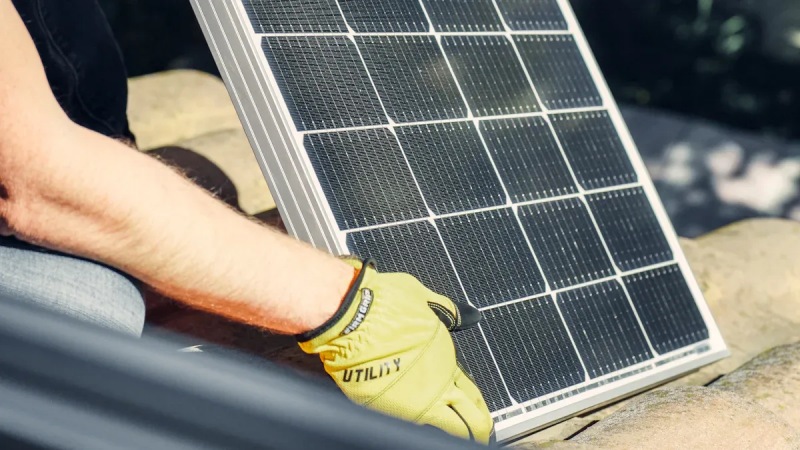
L'integrazione del sistema costituisce la spina dorsale di qualsiasi sistema di accumulo solare di successo. I distributori spesso incontrano difficoltà nel combinare pannelli solari, batterie, inverter e connessioni alla rete. Questi componenti devono funzionare insieme senza problemi per fornire energia affidabile. La compatibilità dell'inverter gioca un ruolo fondamentale in questo processo. Inverter solare ibrido ad alte prestazioni Garantisce un'efficiente conversione energetica e un funzionamento regolare del sistema. Supporta inoltre diverse modalità operative, che consentono al sistema di interagire efficacemente con la rete.
Le problematiche più significative riguardano i rischi associati all'utilizzo di connettori dissimili. I guasti dovuti a connettori incompatibili rappresentano il rischio maggiore per le prestazioni e la sicurezza degli impianti fotovoltaici. Gli esperti del settore sono da tempo consapevoli dei problemi legati all'accoppiamento di connettori fotovoltaici incompatibili, che possono causare guasti, alcuni dei quali potenzialmente incendi.
I distributori devono inoltre tenere conto degli ostacoli normativi, che possono ritardare o complicare le installazioni. La certificazione locale, l'approvazione delle aziende di servizi e la conformità ai requisiti tecnici sono essenziali per una perfetta integrazione. Oltre il 70% delle aziende privilegia la scelta di un fornitore con una solida esperienza, a dimostrazione dell'importanza di soluzioni di integrazione collaudate.
I distributori possono utilizzare diverse strategie per valutare l'integrazione e la compatibilità:
Valuta la complessità del sistema esaminando come sono collegati i pannelli solari, le batterie e gli inverter.
Verificare il corretto orientamento, l'analisi dell'ombreggiatura e la ventilazione della batteria.
Verificare la sicurezza del cablaggio e la corretta messa in servizio.
Garantire strutture di montaggio robuste e impianti fotovoltaici efficienti.
Verificare la compatibilità con la rete elettrica per evitare ritardi o cancellazioni del progetto.
Tra gli errori più comuni si annovera il dimensionamento errato dell'inverter, che può causare perdite di energia o inefficienze. La mancata corrispondenza tra inverter e pannelli solari può provocare surriscaldamento o arresti del sistema. Alcuni impianti non raggiungono le capacità di accumulo previste, con conseguente delusione per gli utenti finali.
Un distributore che comprende questi fattori può selezionare un sistema di accumulo solare che offra prestazioni e sicurezza ottimali. Una valutazione oculata riduce i rischi e contribuisce al successo del progetto a lungo termine.
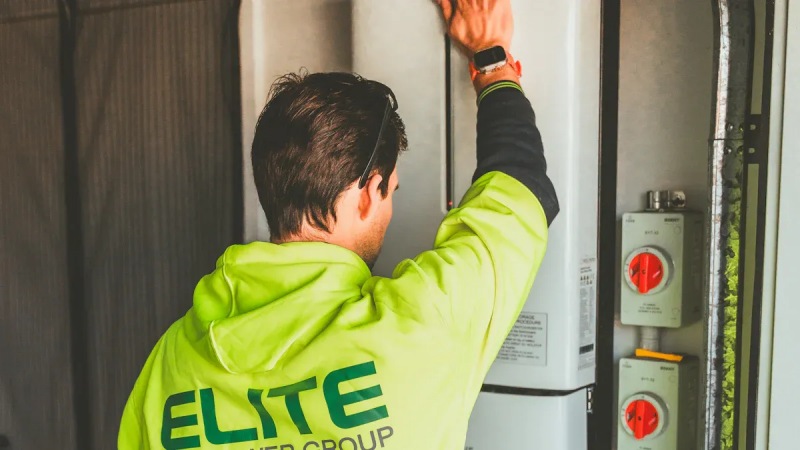
I distributori spesso incontrano difficoltà nell'installazione di un sistema di accumulo solare. La complessità dell'installazione può avere ripercussioni su molti aspetti della loro attività. Quando un sistema è difficile da installare, i distributori possono riscontrare costi di manodopera più elevati e tempi di realizzazione del progetto più lunghi. La tabella seguente mostra l'impatto della complessità dell'installazione sulle operazioni dei distributori:
Tipo di impatto | Descrizione |
|---|---|
Inefficienze operative | La complessità dell'installazione comporta inefficienze operative, con conseguente aumento dei costi e del fabbisogno di manodopera. |
Errori di prezzo | La complessità può comportare errori di determinazione dei prezzi, con conseguenti ripercussioni sui costi complessivi del distributore. |
Sfide nella gestione delle scorte | La gestione delle scorte diventa più complessa, con conseguente aumento della manodopera e potenziali sforamenti dei costi. |
I distributori che scelgono sistemi con procedure di installazione semplici possono ridurre questi rischi. I sistemi integrati in fabbrica arrivano quasi pronti all'uso. Questi sistemi vengono preassemblati e testati prima della spedizione. Questo approccio riduce al minimo la manodopera in loco e accelera il ritorno sull'investimento. Una distribuzione più rapida significa che i distributori possono completare più progetti in meno tempo.
Prima di scegliere un sistema di accumulo solare, i distributori dovrebbero valutare diversi requisiti fondamentali. La seguente lista di controllo può essere d'aiuto:
Selezione della tecnologia: valutare il tipo di tecnologia della batteria, come ad esempio agli ioni di litio o al piombo-acido, in termini di efficienza e flessibilità.
Infrastruttura di sicurezza: verificare la presenza di un adeguato isolamento elettrico, protezione da sovracorrente e sistemi di gestione delle batterie.
Conformità agli standard: assicurarsi che gli alloggiamenti delle batterie soddisfino i requisiti in materia di controllo della temperatura, ventilazione e protezione dall'umidità.
Controlli ambientali: Verificare la presenza di dispositivi che mantengano temperature di esercizio e ventilazione ottimali.
Compatibilità con gli impianti solari esistenti: Verificare che il sistema sia compatibile con i pannelli e gli inverter attualmente in uso.
Funzionalità intelligenti per la gestione energetica: il monitoraggio remoto e l'analisi dei consumi energetici migliorano l'efficienza.
Qualità di batterie e inverter: componenti affidabili garantiscono prestazioni di lunga durata.
Opzioni di espansione e flessibilità: i sistemi che consentono aggiornamenti possono adattarsi alle mutevoli esigenze energetiche.
Manutenzione e supporto: un supporto accessibile e una manutenzione semplice riducono i tempi di inattività.
Suggerimento: i distributori che utilizzano una checklist dettagliata durante la valutazione dei prodotti possono evitare errori costosi e garantire installazioni senza intoppi.
L'affidabilità è un elemento fondamentale per ogni sistema di accumulo solare. I distributori apprezzano i prodotti che offrono prestazioni costanti e riducono al minimo i rischi post-vendita. Una garanzia completa, che a volte si estende fino a 25 anni, è indice di elevata qualità del prodotto e riduce i rischi di investimento a lungo termine. Anche i servizi di assistenza rivestono un ruolo cruciale. Circa il 30% dei consumatori riscontra problemi durante l'installazione o l'utilizzo, pertanto un supporto tempestivo diventa essenziale. I distributori verificano spesso la disponibilità di assistenza da parte del fornitore, come ad esempio l'assistenza 24 ore su 24, 7 giorni su 7 o le risorse online, per garantirne l'affidabilità.
Diverse innovazioni contribuiscono a ridurre i rischi post-vendita. Batterie a stato solido e tecnologie avanzate Batteria al litio ferro fosfato (LiFePO4) Le soluzioni riducono il rischio di incendio. Sistemi antincendio avanzati, tra cui raffreddamento a liquido e rilevamento di gas, mantengono condizioni operative sicure. Funzionalità di monitoraggio intelligenti, come i sistemi di gestione della batteria (BMS), tengono traccia dello stato di salute della batteria e prevengono i guasti.
Il white paper sottolinea che la sicurezza intrinseca della batteria è fondamentale per il funzionamento stabile del sistema. Test di sicurezza completi, come GB/T 36276, UL 1973, IEC 62619 e UL 9540A, garantiscono la stabilità e l'affidabilità delle celle in un'ampia gamma di condizioni. Una progettazione adeguata in termini di gestione elettrica, strutturale e termica, nonché di protezione antincendio, contribuisce a mantenere stabile il sistema anche in situazioni estreme.
I problemi più comuni in termini di affidabilità e sicurezza possono interrompere le operazioni e aumentare i costi. La tabella seguente illustra le problematiche più frequenti:
Insidia | Descrizione |
|---|---|
Montaggio improprio dei moduli solari | Può danneggiare i pannelli o consentire infiltrazioni d'acqua, causando problemi strutturali e costi aggiuntivi. |
Cablaggio non conforme | Possono causare dispersioni di energia, cortocircuiti e rischi di incendio a causa di materiali inadatti o di un isolamento scadente. |
Protezione inadeguata contro le intemperie | Senza adeguate protezioni, è vulnerabile ai danni causati da acqua, polvere e corrosione. |
Scelta errata del tipo e della capacità dell'inverter | Un dimensionamento errato può causare perdite di energia o inefficienze, compromettendo l'affidabilità a lungo termine. |
Errori nell'installazione e nel posizionamento dell'inverter | Deve essere installato in un ambiente asciutto e ben ventilato; l'esposizione all'umidità può ridurne la durata. |
Mancanza di monitoraggio e manutenzione a distanza | Senza monitoraggio, i cali di prestazioni possono passare inosservati, portando a gravi guasti. |
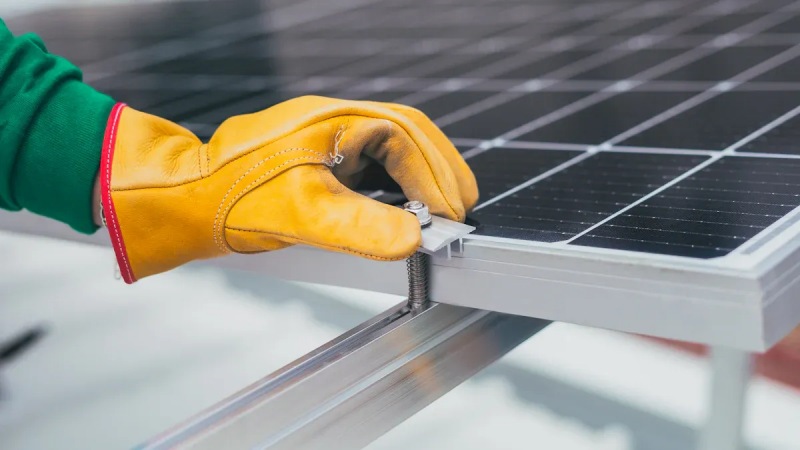
Gli standard di sicurezza e le certificazioni infondono fiducia e garantiscono il valore a lungo termine di un sistema di accumulo solare. Questi standard aiutano i distributori a evitare ritardi nei progetti e sanzioni legali. Una catena di fornitura rigorosa e un controllo qualità fin dall'inizio contribuiscono inoltre a rafforzare la fiducia del mercato.
Le certificazioni più riconosciute includono:
Certificazione | Descrizione |
|---|---|
IEC 62109-1 e 2 | Sicurezza dei convertitori di potenza per l'uso in impianti fotovoltaici e sistemi di accumulo di energia, garantendo che i convertitori non presentino rischi elettrici, termici o meccanici. |
IEC 60730 / IEC 60335 | Funzioni di controllo e BESS domestico, che garantiscono la sicurezza a livello utente per le installazioni residenziali. |
IEC 62933 | Certificato di sicurezza a livello di sistema, fondamentale per testare l'intero sistema BESS nel suo complesso. |
I distributori che danno priorità a queste certificazioni e standard possono ridurre i rischi e favorire l'adozione a lungo termine sul mercato.
Il monitoraggio in tempo reale dei sistemi sta trasformando il modo in cui i distributori gestiscono e mantengono le soluzioni di accumulo solare. Fornendo accesso immediato ai dati sulle prestazioni, le piattaforme di monitoraggio aiutano gli utenti a individuare i problemi prima che si aggravino. Ad esempio, un impianto solare in Spagna ha utilizzato il rilevamento dei guasti basato sull'IoT per ridurre i tempi di inattività del sistema del 35% in sei mesi. Il sistema ha segnalato tempestivamente un malfunzionamento dell'inverter, consentendo al team tecnico di risolvere il problema in poche ore. La manutenzione predittiva, resa possibile dal monitoraggio in tempo reale, può ridurre le spese di manutenzione fino al 25% e diminuire i tempi di inattività del 30%. Questi miglioramenti garantiscono la continuità operativa e proteggono gli investimenti.
Il monitoraggio intelligente favorisce anche un uso efficiente dell'energia. Una casa intelligente dotata di un pannello di controllo IoT per il solare programma la ricarica dei veicoli elettrici durante le ore di massima produzione di energia solare. Questo approccio massimizza l'utilizzo dell'energia solare e riduce la dipendenza dalla rete elettrica. Il monitoraggio in tempo reale migliora la gestione dell'energia e l'efficienza energetica, favorendo la sostenibilità e riducendo i costi di manutenzione.
I distributori dovrebbero valutare le piattaforme di monitoraggio utilizzando diversi criteri. Sistema intelligente di gestione dell'energia (EMS) Offre accesso ai dati in tempo reale, monitoraggio a livello di modulo e rilevamento precoce dei problemi. La tabella seguente evidenzia le funzionalità più apprezzate dai distributori:
Caratteristica | Descrizione |
|---|---|
Accesso ai dati in tempo reale | Informazioni immediate sulla produzione di energia e sullo stato di salute del sistema. |
Rilevamento precoce dei problemi | Avvisi per anomalie, che consentono correzioni rapide e salvaguardano gli investimenti. |
Massimizzazione della produzione di energia | Ottimizzazione della produzione e del consumo di energia basata sui dati. |
Benefici finanziari | Bollette elettriche più basse e maggiore ritorno sull'investimento grazie alla riduzione al minimo dei tempi di inattività e al net metering. |
Tra le altre caratteristiche importanti figurano i sistemi di allerta che notificano agli utenti eventuali cali di prestazioni e l'analisi dei dati storici per la valutazione delle tendenze. Il monitoraggio a livello di modulo consente una diagnostica dettagliata, aiutando gli utenti a identificare problemi come ombreggiamenti o sporco sui pannelli. I distributori che danno priorità a queste funzionalità in un sistema di accumulo solare possono migliorare l'affidabilità, ridurre i costi e offrire risultati migliori ai propri clienti.
Suggerimento: quando valutate le piattaforme di monitoraggio, verificate la presenza di dashboard intuitive, avvisi personalizzabili e integrazione con i dispositivi mobili. Queste funzionalità semplificano il monitoraggio delle prestazioni e consentono di intervenire tempestivamente in caso di problemi.
I distributori si affidano a diverse metriche delle batterie per valutare le prestazioni di qualsiasi sistema di accumulo solare. Queste metriche li aiutano a confrontare i prodotti e a prevedere il valore a lungo termine. Gli indicatori di prestazione della batteria più importanti includono:
Stato di carica (SoC): indica il livello di carica attuale della batteria.
Stato di salute (SoH): indica la capacità della batteria di mantenere la carica nel tempo.
Profondità di scarica (DoD): indica quanta capacità della batteria è stata utilizzata.
Durata del ciclo: rappresenta il numero di cicli di carica e scarica che la batteria può sopportare prima che la sua capacità diminuisca.
Efficienza di andata e ritorno: misura quanta energia è disponibile dopo la carica e la scarica.
I distributori dovrebbero inoltre confrontare le specifiche e le garanzie. La tabella seguente riassume i fattori più importanti:
Specifiche | Descrizione |
|---|---|
Capacità e potenza | Indica quanta energia la batteria può immagazzinare ed erogare. |
Profondità di scarica (DoD) | Un valore DoD più elevato significa una maggiore capacità utilizzabile. |
Efficienza del viaggio di andata e ritorno | Una maggiore efficienza si traduce in minori perdite di energia durante l'utilizzo. |
Durata della batteria e garanzia | Indica la durata prevista e la copertura della garanzia, spesso da 5 a 15 anni. |
Compatibilità | Garantisce la compatibilità della batteria con i sistemi esistenti. |
Caratteristiche di sicurezza | Comprende la gestione termica e la conformità agli standard di sicurezza. |
Suggerimento: i distributori dovrebbero sempre esaminare i termini di garanzia e verificare che la copertura in merito alla durata del ciclo di vita e alle garanzie sulle prestazioni sia chiara.
L'affidabilità e la durata delle batterie influiscono direttamente sulla soddisfazione dei distributori e sul successo dei progetti. Batterie affidabili aiutano i distributori a gestire le scorte e a soddisfare le aspettative dei clienti. Stime accurate della durata riducono i rischi finanziari e favoriscono una migliore pianificazione. Fornitori di alta qualità offrono batterie più durature e performanti, riducendo i tempi di inattività e rafforzando la fiducia.
Tra gli errori più comuni nella scelta delle batterie vi è la selezione di celle con chimica incompatibile o di bassa qualità. Questi errori possono ridurre la durata del sistema e comportare rischi per la sicurezza, soprattutto nel caso delle batterie agli ioni di litio. I distributori dovrebbero evitare questi inconvenienti verificando la reputazione del fornitore e le certificazioni del prodotto.
Un profilo prestazionale elevato della batteria contribuisce all'affidabilità del sistema a lungo termine. Parametri come lo stato di carica e l'efficienza energetica aiutano a mantenere la salute della batteria e a garantire la disponibilità di energia quando necessario. I distributori che si concentrano su questi fattori ottengono risultati migliori e tutelano la reputazione del proprio marchio.
I distributori raggiungono il successo concentrandosi su cinque caratteristiche essenziali: integrazione, installazione, affidabilità, monitoraggio e prestazioni della batteria. La tabella seguente evidenzia i punti chiave:
Caratteristica | Descrizione |
|---|---|
Garanzia di 15 anni | FranklinWH aPower 2 supera gli standard del settore, offrendo tranquillità e risparmi a lungo termine. |
Affidabilità | I sistemi privi di parti in movimento offrono elevata affidabilità e bassi tassi di guasto. |
Disponibilità | La disponibilità garantita dei prodotti assicura un supporto costante a distributori e clienti. |
I distributori utilizzano questi criteri per valutare tecnologia, garanzia, efficienza e ritorno sull'investimento. Acquisiscono maggiore sicurezza comprendendo la durata della batteria e l'affidabilità del sistema. I prossimi passi includono:
Consultare i produttori per un'analisi specialistica e raccomandazioni personalizzate.
Richiedere dimostrazioni del prodotto per valutarne le prestazioni in condizioni reali.
Avvalersi di servizi come ETB Consulting per una consulenza specifica sul progetto.
La valutazione continua rimane fondamentale man mano che la tecnologia si evolve e le esigenze del mercato cambiano.
Un sistema di accumulo solare "tutto in uno" combina pannelli solari, batterie, inverter e unità di controllo in un unico pacchetto. Questa soluzione semplifica l'installazione e la manutenzione. I distributori preferiscono questi sistemi perché riducono i problemi di compatibilità e accelerano i tempi di realizzazione dei progetti.
La compatibilità dell'inverter garantisce che tutti i componenti del sistema funzionino insieme in modo efficiente. Quando l'inverter è compatibile con gli altri componenti, il sistema fornisce energia in modo affidabile. I distributori evitano costosi errori e migliorano la soddisfazione del cliente scegliendo sistemi compatibili.
Il monitoraggio intelligente fornisce dati in tempo reale sulle prestazioni del sistema. Gli utenti possono individuare tempestivamente i problemi e programmare la manutenzione prima che si verifichino guasti. Questa funzionalità aumenta la disponibilità del sistema e protegge gli investimenti.
I distributori dovrebbero ricercare certificazioni come IEC 62109, IEC 62619 e UL 9540A. Questi standard confermano che il sistema soddisfa i requisiti di sicurezza e qualità. I sistemi certificati riducono i rischi e garantiscono un'affidabilità a lungo termine.
I distributori confrontano le prestazioni delle batterie verificando parametri come la durata del ciclo di vita, la profondità di scarica e l'efficienza di andata e ritorno. Esaminano inoltre i termini di garanzia e la reputazione del fornitore. Batterie affidabili garantiscono un valore a lungo termine e un minor numero di sostituzioni.

Aggiungere :5th Floor, Building B, No.2817 Kaichuang Avenue, Science Zone, Huangpu District, Guangzhou, China


Anern Industry Group Limited Tutti i diritti riservati
.Xml | politica sulla riservatezza  RETE SUPPORTATA
 Lingua


