Blog sull'energia solare

blog

Casa

blog

  • Which Hybrid Inverter is Right for Your Next Solar Project? A Professional Selection Guide
    Which Hybrid Inverter is Right for Your Next Solar Project? A Professional Selection Guide Apr 28, 2026
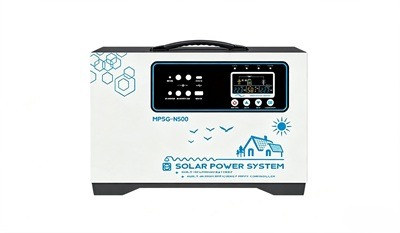
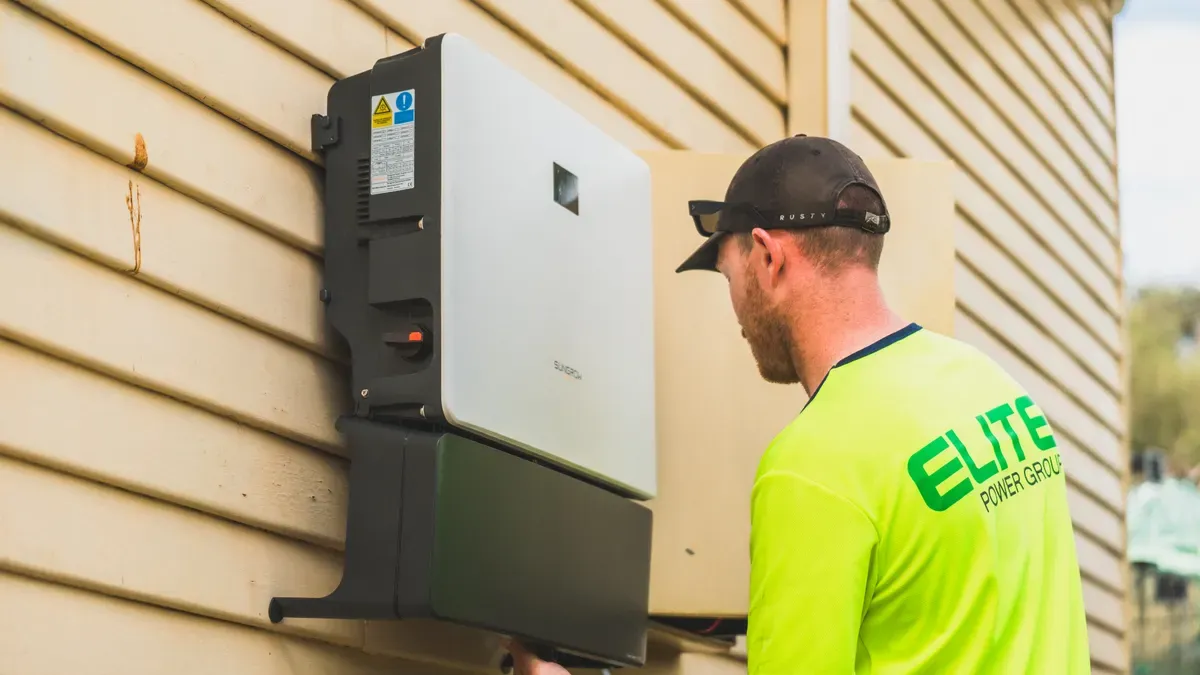
    The global transition toward renewable energy has transformed the hybrid inverter from a niche component into the beating heart of modern residential and commercial power systems. However, for solar contractors and property owners, the sheer variety of technical specifications can be overwhelming. Selecting the wrong unit doesn’t just mean inefficient energy harvest—it can lead to system failures in extreme weather or incompatibility with local grid standards. Whether you are designing a compact off-grid cabin or a robust backup system for a North American luxury home, understanding the synergy between power output, phase requirements, and environmental protection is paramount. When planning a high-resilience outdoor installation, the IP65 Dual-Output Hybrid Solar Inverter represents the pinnacle of modern engineering, offering a fully sealed architecture that thrives where standard inverters would falter. But is a high-protection model always necessary, or should you prioritize raw power and phase compatibility? This guide breaks down the critical decision matrices to ensure your next solar project delivers maximum ROI.     1. Environment First: The IP65 Revolution Most traditional hybrid inverters are designed for indoor installation—typically in garages or utility rooms. However, real-world project constraints often force installers to place equipment in carports, humid basements, or even direct sunlight. The Vulnerability of Standard Units: Standard inverters rely on internal fans and vents for cooling. In coastal areas with salt mist, or agricultural zones with high dust levels, these vents become entry points for corrosion and debris, significantly shortening the lifespan of the PCB. The IP65 Advantage: An IP65-rated unit is "dust-tight" and protected against water jets from any angle. By utilizing advanced heat-sink technology instead of open-ventilation cooling, these units offer a "set it and forget it" solution for harsh environments. If your project site experiences heavy rainfall or extreme humidity, choosing a sealed unit is the most effective way to minimize long-term maintenance costs.   2. Power Scaling: Finding the "Sweet Spot" (6.2kW vs. 12kW)     Power requirements are rarely static, but they generally fall into two categories: essential backup and full energy independence. For standard residential projects focused on optimizing self-consumption, the 6.2KW Dual Output Hybrid Solar Inverter has emerged as the industry’s "Goldilocks" solution. It provides enough capacity to run high-surge appliances like air conditioners and water pumps while maintaining an affordable price point for the average homeowner. The dual-output feature is particularly critical here; it allows the system to intelligently shed non-essential loads during a power outage, ensuring that the critical "Output A" (refrigerators, lights, medical equipment) stays live even when the battery is low. In contrast, 12kW systems are designed for heavy-duty applications. This includes large estates with multiple HVAC units or small commercial workshops where the simultaneous startup of several motors requires a massive surge buffer.   3. The Phase Factor: Why Split-Phase Matters     One of the most common pitfalls in international solar procurement is a misunderstanding of voltage standards. While much of the world operates on a 230V single-phase system, the North American and certain South American markets utilize a 120V/240V split-phase system. Installing a single-phase inverter in a split-phase home requires expensive external transformers and complex wiring. This is where the 12kW Split-Phase Hybrid Solar Inverter becomes indispensable. By natively supporting the US standard, it allows for a direct connection to the home’s main breaker panel, providing balanced power to both 120V circuits (outlets and electronics) and 240V heavy appliances (dryers and electric vehicle chargers).   4. Technical Comparison: At a Glance To help you visualize the best fit for your specific client base, the following table compares the core performance metrics of our flagship hybrid solutions: Feature IP65 Dual-Output Model 6.2kW Dual-Output Model 12kW Split-Phase Model Primary Market Global / Harsh Environments Residential Self-Consumption North America / Large Estates Protection Rating IP65 (Fully Waterproof) IP21 (Indoor Only) IP21 (Indoor/Protected) Phase Output Single Phase (230V) Single Phase (230V) Split-Phase (120V/240V) Dual AC Output Yes (Smart Load Management) Yes (Priority Management) No (High Capacity Focus) Max PV Input Optimized for Mid-Range Arrays High Efficiency Tracking Dual MPPT for Large Arrays Best For Coastal/Outdoor Projects Modern Family Homes Off-Grid Mansions / US Markets   5. Smart Load Management: Beyond Just Battery Storage The modern hybrid inverter is no longer just a power converter; it is an intelligent energy manager. The "Dual Output" technology found in our 6.2kW and IP65 models addresses a primary consumer fear: running out of battery at night. By separating the home's electrical circuits into "Primary" and "Secondary" outputs, the inverter acts as an automated switchboard. When the solar panels stop producing and the battery reaches a pre-set discharge limit, the inverter automatically cuts power to the secondary output (which might power a dishwasher or pool pump) while maintaining an uninterrupted flow to the primary output. This level of granular control is what differentiates a high-end solar installation from a basic one, providing the end-user with peace of mind without requiring manual intervention.   6. The Long-Term Reliability Checklist Before finalizing your procurement list, consider these three professional factors that often go unmentioned in basic spec sheets: Thermal Dissipation: High-power inverters like the 12kW units generate significant heat. Ensure your installation site has at least 20cm of clearance on all sides to allow the internal cooling systems to function at peak efficiency. Communication Protocols: Modern solar projects often involve lithium battery integration (LiFePO4). Ensure your inverter supports BMS communication (RS485/CAN) to allow the inverter to "talk" to the battery for optimized charging cycles. Scalability: If a client’s energy needs grow, can you add more capacity? Look for units that support parallel operation, allowing you to link multiple inverters together as the solar array expands. Choosing the right technology is about matching the equipment to the specific constraints of the site and the lifestyle of the user. For a robust, US-standard residential installation that requires heavy lifting, the split-phase 12kW architecture remains the undisputed leader in performance and compliance. Meanwhile, the versatility of dual-output systems ensures that even smaller installations can achieve a level of reliability previously reserved for industrial-grade microgrids. By focusing on these technical nuances, you position your solar business as a provider of tailored solutions rather than just a hardware vendor, ensuring that every project you complete becomes a long-lasting testament to sustainable engineering.    
  • Why choose industrial solar battery for your factory?
    Why choose industrial solar battery for your factory? Apr 23, 2026
    Industrial solar battery solutions provide factories with cost savings, operational reliability, and environmental benefits. Factory managers seek efficient energy systems that reduce expenses and support uninterrupted production. Anern LiFePO4 Lithium Solar Battery offers advanced features designed for industrial applications, addressing critical energy needs and sustainability targets.   Key Takeaways   Investing in an industrial solar battery can significantly lower energy bills by storing excess solar energy for later use. Using an industrial solar battery helps factories manage peak demand, reducing costly electricity charges during high usage times. Adopting solar battery solutions supports sustainability goals by lowering carbon emissions and complying with environmental regulations.   Cost Savings With Industrial Solar Battery   Lower Energy Bills   Factories face high operational costs due to continuous energy consumption. An industrial solar battery helps reduce these expenses by storing excess solar energy during the day and supplying it when demand rises. This process allows factories to use less electricity from the grid, which lowers monthly energy bills. Many facilities choose to install a 51.2v meet emergency battery system to ensure they have enough stored power for critical operations. These batteries support a wide range of applications, including acting as a lithium ion battery for agricultural equipment, which further optimizes energy use across different sectors.   The modular design of modern industrial solar battery systems allows factories to scale their energy storage according to their needs. Facility managers can add more units as production grows, ensuring cost-effective expansion. The long cycle life of these batteries means fewer replacements and lower maintenance costs over time. As a result, factories achieve significant savings while maintaining efficient operations.   Tip: Investing in an industrial solar battery can lead to a rapid return on investment by cutting recurring energy expenses.   Peak Shaving And Demand Charges   Electricity providers often charge factories extra fees during periods of high demand. These demand charges can make up a large portion of a factory’s energy bill. An industrial solar battery addresses this challenge by supplying stored energy during peak hours. This process, known as peak shaving, reduces the amount of electricity drawn from the grid when rates are highest.   By using stored solar energy, factories avoid costly spikes in their power usage. The flexibility of industrial solar battery systems, including the ability to connect multiple units in parallel, ensures that even large facilities can manage their demand efficiently. The long-lasting performance of these batteries means factories can rely on them for years, further enhancing cost control.   Below is a summary table highlighting the key features, uses, and benefits of industrial solar batteries:   Feature Uses Benefits Modularity Scalable energy storage for factories Easy expansion, cost efficiency Long Cycle Life Continuous industrial operations Lower replacement costs High Compatibility Integration with solar and grid power Flexible system design Emergency Backup 51.2v meet emergency battery systems Reliable power during outages Versatility Lithium ion battery for agricultural equipment Broad application range Peak Shaving Managing demand charges Reduced electricity costs   Industrial solar battery solutions offer factories a practical way to control energy expenses, manage peak demand, and support a variety of industrial and agricultural applications.   Reliable Power And Efficiency   Backup Power During Outages   Factories depend on continuous power to keep production lines running. An industrial solar battery provides backup energy during unexpected outages. When the grid fails, the system automatically supplies stored power to critical equipment. This feature prevents costly downtime and protects sensitive machinery. Many factories use the 51.2v meet emergency battery configuration to ensure enough capacity for essential operations. This setup supports not only manufacturing but also applications like a lithium ion battery for agricultural equipment, which requires reliable backup in remote areas.   Note: Reliable backup power helps factories avoid production losses and maintain safety standards during emergencies.   Optimized Energy Management   Efficient energy management improves productivity and reduces waste. Anern’s advanced Battery Management System (BMS) monitors charge levels and battery health in real time. The BMS ensures optimal performance by balancing energy flow and preventing overcharging or deep discharging. Safety certifications such as CE, ROHS, and UN38.3 confirm the battery’s compliance with international standards. The maintenance-free design allows factory managers to focus on operations without worrying about frequent servicing. Industrial solar battery systems with modular designs adapt to changing energy needs, making them suitable for both large factories and agricultural sites.   Key benefits of optimized energy management: Uninterrupted power for critical loads Enhanced safety and reliability Minimal maintenance requirements   Factories that invest in these solutions achieve stable operations and long-term efficiency.   Sustainability And Compliance   Reducing Carbon Footprint   Factories play a major role in global energy consumption. They often seek ways to minimize their environmental impact. By adopting an industrial solar battery, managers reduce reliance on fossil fuels. The battery stores clean solar energy and supplies it during production hours. This process lowers greenhouse gas emissions and supports sustainability targets. Many facilities use the 51.2v meet emergency battery to ensure backup power without increasing their carbon footprint. Agricultural sites benefit from a lithium ion battery for agricultural equipment, which provides efficient energy and reduces pollution in rural operations.   Tip: Transitioning to solar energy storage helps factories align with international climate initiatives and demonstrate corporate responsibility.   Meeting Regulations   Government agencies enforce strict environmental standards for industrial operations. Factories must comply with these regulations to avoid penalties and maintain their reputation. Anern’s solar batteries carry certifications such as CE, ROHS, and UN38.3. These certifications confirm safety, environmental compatibility, and adherence to global standards. Managers choose certified solutions to meet legal requirements and simplify audits. The maintenance-free design of the battery reduces hazardous waste and supports compliance with sustainability laws.   Key compliance benefits: Certified for safety and environmental protection Supports regulatory audits and reporting Reduces risk of fines and operational disruptions Certification Purpose Compliance Benefit CE Safety and quality Meets EU standards ROHS Environmental safety Limits hazardous substances UN38.3 Transport safety Ensures safe battery transit   Factories that invest in certified solar batteries achieve both sustainability and regulatory compliance.     Factories gain cost savings, reliable backup, and sustainability with an industrial solar battery. Anern’s advanced technology supports long-term success. Decision-makers can implement solutions like the 51.2v meet emergency battery or a lithium ion battery for agricultural equipment to achieve energy independence and meet future demands.   FAQ   What is an industrial solar battery? An industrial solar battery stores solar energy for factories. It provides backup power, reduces energy costs, and supports critical operations during outages.   How does a 51.2v meet emergency battery help factories? A 51.2v meet emergency battery supplies reliable backup power. It ensures production lines keep running during grid failures or peak demand periods.   Can a lithium ion battery for agricultural equipment improve efficiency? Yes. A lithium ion battery for agricultural equipment delivers consistent energy. It supports machinery in remote areas and reduces downtime.    
  • What Are the Key Benefits of Using Off-Grid Power Systems for Remote Industrial Operations?
    What Are the Key Benefits of Using Off-Grid Power Systems for Remote Industrial Operations? Apr 15, 2026
    Off-grid solutions empower remote industrial sites by providing energy independence and reducing reliance on traditional fuel sources. Many businesses choose a Solar Power System to achieve consistent operations and lower costs. The shift away from grid and diesel power comes from the need for reliable energy and the desire to cut fuel and maintenance expenses. Off-grid solar systems also create a cleaner environment by minimizing carbon emissions and noise. Reliability remains crucial for remote operations. The table below compares diesel generators and off-grid solar with storage:   Factor Diesel Generator Off-Grid Solar + Storage Reliability Dependent on fuel supply & maintenance High (with proper sizing & storage)       Key Takeaways Off-grid solar systems provide reliable energy for remote industrial sites, ensuring operations run smoothly without interruptions. Switching to off-grid solar can reduce energy costs by up to 70%, helping businesses save money on fuel and maintenance. These systems lower carbon emissions and noise pollution, making them an eco-friendly choice for industries aiming for sustainability. Modular designs allow companies to expand their solar systems easily as energy needs grow, ensuring flexibility and efficiency. Investing in off-grid solar can lead to significant long-term savings and a strong return on investment, often within 5 to 8 years.   Energy Independence with Off-Grid Solar Power Reliable Power for Remote Industrial Facilities Off-grid solar solutions give remote industrial facilities the ability to operate without interruptions. These systems generate electricity using solar panels and store excess energy in a battery bank. This setup ensures reliable power even during the night or when sunlight is limited. For example, a mining operation located over 200 kilometers from the nearest grid installed a solar power system with 5 MW of solar panels and 20 MWh of lithium-ion storage. This project reduced fuel consumption by 65 percent and nearly eliminated downtime. The company saw a positive return on investment within five years. These results show that off-grid solar systems can deliver both operational stability and financial benefits. Solar panels in off-grid power systems withstand harsh weather conditions. Certified panels resist hail and high winds. Hurricane-resistant mounting brackets and robust designs protect installations in extreme environments. The battery bank stores energy for use during storms or cloudy days. Well-constructed systems keep equipment running even when the grid fails. Advanced battery storage systems manage energy supply and demand, making sure remote sites have continuous power. Intelligent energy management systems predict energy needs and control battery charge cycles. This technology helps maintain consistent operations and reduces the risk of unexpected outages.   Minimizing Grid Dependency Off-grid solar solutions allow companies to avoid the risks and costs linked to grid dependency. Remote sites often face challenges such as unstable grid connections or fuel shortages. Off-grid systems operate independently, so they do not rely on external power sources. Solar panels convert sunlight into electricity, while the battery bank stores energy for later use. This approach ensures that remote industrial facilities can maintain operations even during grid outages or supply chain disruptions. Switching to off-grid solar systems also helps companies lower operational costs. By reducing the need for diesel fuel, sites can cut energy expenses by up to 70 percent. Off-grid setups also support environmental compliance by reducing carbon emissions and noise pollution. These benefits make off-grid solar solutions both affordable and sustainable for long-term use. Remote monitoring and advanced digital tools further enhance the value of off-grid systems. These technologies allow for predictive maintenance and reduce the need for on-site personnel. As a result, companies can optimize resource use and address local skill gaps more effectively.   Cost Savings of Off-Grid Solar Solutions Lowering Operational and Fuel Costs Remote industrial facilities often face high energy expenses due to fuel transportation and generator maintenance. Off-grid solar solutions help these sites achieve significant energy cost reduction by using solar panels and a battery bank to generate and store electricity on-site. This approach removes the need for constant fuel deliveries and reduces the risk of price spikes. For example, a mining facility in a remote desert region achieved a 65% reduction in fuel costs after installing a solar power system. Many sites report potential savings of up to 70% when switching from diesel generators to solar panels and battery banks. The following table highlights the difference in installation and maintenance costs between diesel generators and solar PV systems:   Energy Source Installation Cost (per kWh) Maintenance Cost (per kWh) Total Cost of Energy (per kWh) Diesel Generators High initial cost High and volatile Up to $0.672 Solar PV Systems Major capital project Minimal operating costs $0.10 to $0.33   Solar panels provide free energy once installed, and the battery bank ensures power is available even when sunlight is low. Off-grid solar system maintenance costs remain low, making this solution affordable over time. The cost-effectiveness of solar power becomes clear when comparing long-term operational expenses.   Long-Term Savings and ROI Off-grid solar solutions offer strong financial returns for remote industrial facilities. These systems can eliminate monthly electricity bills and protect businesses from utility price fluctuations. The decreasing cost of solar panels and modular system designs allow companies to expand as needed, paying only for what they use. Many remote sites reach break-even on their investment in 5 to 8 years, depending on project size and location. Over a 30-year period, the return on investment can range from 150% to 500%.   The battery bank provides backup power during grid failures or natural disasters, ensuring uninterrupted operations. Lifetime savings can reach up to $44,000 for some facilities. Off-grid solar solutions deliver reliable, affordable, and scalable energy, making them a smart choice for long-term cost-effectiveness.     Environmental Impact of Off-Grid Solar System Reducing Carbon Footprint Off-grid solar systems help remote industrial operations lower their environmental impact. These facilities often rely on diesel generators, which produce high levels of carbon emissions. By switching to solar panels and battery storage, companies can cut fuel consumption and reduce pollution. A mining facility that installed 5 MW of solar panels and 20 MWh of lithium-ion storage saw a 65% drop in fuel use. Off-grid solar solutions can decrease operational fuel costs by up to 70%, leading to major reductions in carbon emissions. In the UAE, solar generation costs up to 75% less than diesel, which encourages the adoption of cleaner energy sources. Solar power provides a renewable energy source that does not emit greenhouse gases during operation. This makes off-grid solar systems an eco friendly choice for industries in remote locations. Lower emissions also mean less air pollution, which benefits both workers and local communities. Companies that invest in off-grid solar systems show leadership in environmental responsibility and set a positive example for the industry.   Supporting Sustainability Goals Many remote industrial sites aim to meet strict sustainability targets. Off-grid solar systems help these sites achieve measurable progress toward these goals.   Metric Value Annual CO2 reductions 50,000 metric tons/site Diesel fuel elimination Millions of gallons Decrease in air pollution Significant reduction Decrease in noise pollution Significant reduction   Off-grid systems provide energy autonomy and allow remote communities to operate without relying on centralized grids. This reduces dependence on costly fuel imports and supports long-term sustainable energy strategies. The use of solar inverters enables even isolated areas to access reliable power, which aligns with global efforts to ensure affordable and modern energy for all. By adopting off-grid solar, companies can meet environmental regulations, improve their public image, and contribute to a cleaner planet.   Scalability and Flexibility for Remote Industrial Facilities Modular Expansion of Solar Power Systems Remote industrial facilities often require energy solutions that can grow with their operations. A solar power system with modular design allows businesses to add capacity as their needs increase. This approach eliminates the need for complex retrofitting or major infrastructure changes. Companies can start with a small installation and expand the system by adding more solar panels and battery bank units over time. This flexibility ensures that energy supply matches demand without overspending on unused capacity. Scalable infrastructure supports rapid deployment in remote areas. Solar panels generate electricity at the point of use, which improves reliability. The battery bank stores excess energy, making power available during periods of low sunlight. Off-grid solar solutions operate independently from traditional grids. This feature makes them ideal for locations with limited or unreliable grid access. Modular expansion also reduces downtime during upgrades, which helps maintain continuous operations. Modular solar hybrid power systems can integrate different energy sources, providing tailored solutions for unique project requirements.   Adapting to Changing Energy Needs Remote industrial facilities often face changing energy demands due to project growth or new equipment. Off-grid solar system designs address these challenges by allowing for easy upgrades and adjustments. Companies can plan for future energy requirements and scale their systems as needed. Several factors support this adaptability: Advancements in battery bank technology improve reliability and storage capacity. Innovations in solar panels increase energy output and reduce space requirements. Smart energy management systems enable real-time monitoring and optimization of energy use. Community support and careful planning ensure successful off-grid installations. Logistical challenges, such as equipment transportation and maintenance, can affect remote sites. However, the affordable nature of modular systems helps reduce these barriers. Off-grid solar solutions provide a reliable and flexible energy source that grows with the needs of remote industrial operations.     Practical Applications of Off-Grid Solar in Industry Mining and Resource Extraction Mining and resource extraction sites often operate in isolated regions. These locations require a reliable energy source to maintain continuous production. Off-grid solar solutions have transformed energy management for these industries. High-capacity solar panels paired with advanced battery bank systems deliver consistent power, even during periods of low sunlight. Automated load balancing and AI-powered predictive algorithms optimize energy capture and distribution, which increases operational reliability. The Borden Mine provides a strong example. After switching to a solar power system, the mine reduced its power bills by 35% in the first year. By the fourth year, the solar installation had paid for itself. Many mining sites report energy cost reductions between 20% and 40% within the first year. These results show that off-grid solar system installations can improve both financial performance and power stability.   Evidence Type Description Cost Reduction Mining sites with solar installations have seen energy costs drop by 20-40% within the first year. Case Study Borden Mine reduced its power bills by 35% in the first year after switching to solar. Reliability Modern solar systems paired with battery storage ensure continuous power supply, matching traditional sources.   Oil, Gas, and Construction Sites Oil, gas, and construction sites in remote areas face unique energy challenges. Remote power systems for industrial applications address these needs by providing stable electricity without relying on fossil fuels. Solar panels and a battery bank supply power for equipment, lighting, and safety systems. These installations create jobs for local workers and offer cost-effective energy for nearby communities. Off-grid solar solutions reduce operational costs and environmental impact. They increase energy independence and open new economic opportunities. Renewable energy systems emit little or no greenhouse gases, which supports climate goals. Reliable energy supply improves productivity and safety on site. Switching to off-grid solar systems helps companies lower expenses and meet environmental standards. These benefits make solar power a practical choice for remote industrial facilities.   Remote Telecommunications Telecommunications towers and data stations often operate far from the main grid. Off-grid solar systems generate, store, and distribute energy independently, making them ideal for these applications. Solar panels convert sunlight into electricity, which the battery bank stores for use during cloudy days or nighttime. Off-grid systems avoid the high costs of extending electrical lines to remote sites. They provide a sustainable and affordable energy solution for critical communications infrastructure. Reliable power ensures uninterrupted service for remote communities and emergency responders. Off-grid solar installations help telecommunications providers maintain operational reliability and reduce long-term energy costs. These systems support the expansion of digital networks into underserved regions.   Industrial remote solar power systems give these facilities a reliable energy source, cost savings, and environmental benefits. Many sites see improved quality of life and economic growth, as seen in villages like Dharnai. These systems support essential services and local businesses. Decision-makers should review site conditions, future energy needs, and installation challenges. > Experts recommend consulting with professionals to design solutions that match unique requirements and maximize long-term value.   FAQ What are off-grid power systems? Off-grid power systems generate electricity independently of the main grid. They typically combine solar panels, batteries, and controllers. These systems provide reliable energy for remote locations, reducing dependence on external power sources and supporting sustainable operations. How do off-grid systems improve reliability? Off-grid systems store excess energy in batteries, ensuring continuous power during cloudy days or at night. Properly designed systems withstand harsh weather and include backup options. This setup guarantees stable operations for remote industrial sites, even when grid access is unavailable. Are off-grid power systems cost-effective? Yes, they lower operational costs by reducing fuel and maintenance expenses. Although initial investments can be high, long-term savings from decreased fuel use and minimal upkeep make off-grid solutions financially attractive for remote industries. Can off-grid systems scale with business growth? Absolutely. Off-grid systems are modular, allowing companies to expand capacity by adding more solar panels or batteries. This flexibility supports changing energy needs without major overhauls, making them ideal for growing remote operations. What industries benefit most from off-grid power systems? Mining, oil and gas, construction, and remote telecommunications often rely on off-grid solutions. These industries operate in isolated areas where traditional grid access is limited, making industrial off-grid power systems essential for continuous, sustainable operations.
  • Can Commercial Solar Storage Systems Solve Your Remote Power Challenges?
    Can Commercial Solar Storage Systems Solve Your Remote Power Challenges? Apr 08, 2026
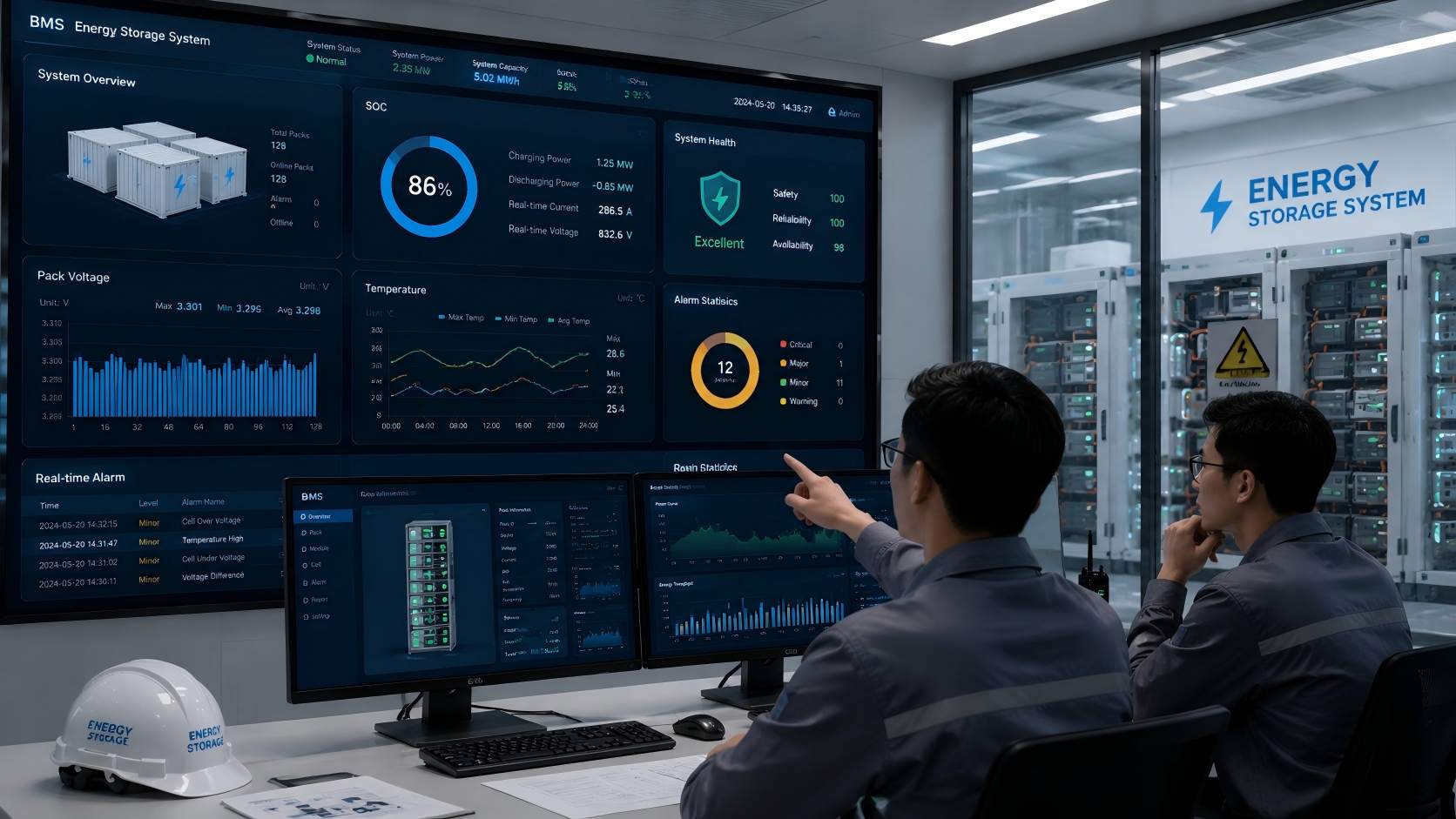
    Imagine a telecommunications tower perched on a rugged mountain ridge or a manufacturing hub nestled deep within a resource-rich valley, miles away from the nearest utility pole. In these isolated settings, the flicker of a light or the steady hum of a server isn't just a convenience—it is a lifeline for regional development. Deploying a robust Commercial Solar Storage System has become the definitive strategy for operators who can no longer rely on the frailties of a distant, centralized grid. By establishing an independent "energy island," businesses can harvest the sun's silent power to ensure that critical 24/7 operations remain uncompromised, regardless of how challenging the surrounding geography may be.     The technical headache of managing remote sites often centers on the logistical nightmare of diesel fuel delivery and the constant maintenance of noisy generators. Transitioning to a Commercial Lithium Battery Storage Cabinet offers a sophisticated, low-maintenance alternative that cleans up both the site’s carbon footprint and its balance sheet. These LiFePO4-based cabinets are specifically engineered to endure the intense cyclic demands of a 5G base station or a remote workshop, providing the high energy density and thermal stability needed to keep systems cool and efficient under the scorching sun of a desert or the humid canopy of a tropical forest.   Efficiency in a dedicated off-grid application depends heavily on how "intelligently" power is converted and managed. A modern Integrated Industrial Solar Storage Solution streamlines the entire process by housing the high-voltage inverter, MPPT charge controllers, and battery management units within a single, ruggedized enclosure. This integrated architecture is a blessing for rapid deployment in remote areas, as it eliminates the "installation friction" and wiring errors that often occur when trying to piece together disparate components in the field. For a project engineer, this means a significantly faster time-to-market for network expansion and far fewer emergency troubleshooting trips to the middle of nowhere.   From a commercial perspective, the "energy-on-demand" capability of solar storage allows industrial parks to outsmart the high costs of traditional electricity. Even in areas where a grid connection exists, industrial hubs are often hit with punitive "demand charges" during peak hours when the local utility is struggling to keep up. By discharging stored solar energy during these high-tariff windows, facility managers can effectively cap their utility bills and maintain a predictable, flat-line operational budget. This shift turns energy from a volatile, uncontrollable expense into a fixed strategic asset, providing the financial stability required to invest in further automation and workforce growth.   The digital visibility offered by cloud-based Energy Management Systems (EMS) is perhaps the most transformative feature for remote site operators. Through a unified dashboard, a manager sitting in a metropolitan office can monitor the state-of-charge, internal temperature, and real-time output of a storage system located on the other side of the country. This level of granular data enables "Predictive Maintenance," where potential issues are flagged and resolved via software updates or remote calibration long before they lead to a catastrophic power outage. In the telecom sector, where a single hour of downtime results in lost revenue and service penalties, this digital oversight serves as an invaluable insurance policy.   Scalability remains a cornerstone of successful energy planning, especially as remote projects evolve from small-scale camps into fully-fledged industrial centers. Modular battery designs allow for a "linear expansion" of power capacity, where additional storage racks can be seamlessly added to the existing busbar without requiring a complete system overhaul. This flexibility ensures that the initial capital expenditure remains perfectly aligned with the project's current energy profile, while leaving the door wide open for future growth. It provides a de-risked pathway to energy independence, allowing businesses to start with what they need today and dream big for tomorrow.   Beyond the immediate financial and operational gains, embracing commercial solar storage is a powerful testament to a brand’s leadership in the global "Net Zero" transition. For multinational corporations operating in emerging markets, utilizing clean energy for remote sites is a critical component of their ESG (Environmental, Social, and Governance) reporting. It demonstrates a commitment to sustainable development that resonates with international investors and local communities alike. By powering the world’s most remote towers and factories with sunshine, companies are not just building infrastructure; they are building a legacy of environmental stewardship and technological progress.   The move toward autonomous, solar-powered systems represents the dawn of a more resilient and equitable energy future. When a remote base station or a rural factory can function with 100% self-sufficiency, the traditional barriers to regional development are dismantled. You gain the freedom to operate anywhere the sun shines, insulated from the instability of global fuel prices and the fragility of aging grids. This path to energy sovereignty is an invitation to innovate, allowing your business to lead the charge into a smarter, cleaner, and infinitely more reliable era of global industry.  
  • Do solar panels fail in hot weather?
    Do solar panels fail in hot weather? Apr 03, 2026
      When people ask, "Do solar panels fail in hot weather?" I can say with confidence that they do not. Anern solar panels keep working, even in extreme heat. Modern designs withstand high temperatures. For example, monocrystalline panels may lose only 0.30% to 0.50% efficiency per degree Celsius above 25°C.   Panel Type Temperature Coefficient (per °C) Monocrystalline silicon -0.30% to -0.50% Polycrystalline silicon -0.40% to -0.50% Thin-film (amorphous silicon) -0.20% to -0.32% Heterojunction (HJT) -0.24% to -0.30%   Do solar panels fail in hot weather?     Performance in High Temperatures   When I consider the question, "Do solar panels fail in hot weather?", I look at real-world data and field tests. Solar panels, including Anern's 580w solar panel and half cell solar panel models, do not fail even during extreme heat. Instead, they continue to generate power, though output may decrease slightly. For example, at 50°C, most panels still operate at about 92% of their rated output. Even during heatwaves, I see that panels experience reduced efficiency, not a total shutdown. This means that commercial buyers can rely on consistent performance, even in challenging climates.   As Professor Alastair Buckley from the University of Sheffield explains, "It’s not actually a big deal. High temperatures only marginally affect the overall output of solar power – it’s a secondary effect. If it’s sunny and hot, you are going to get good power output. It doesn’t fall off a cliff."   Efficiency Loss Explained   I often get asked, "Do solar panels fail in hot weather?" The answer is no, but it is important to understand efficiency loss. The main factor is the temperature coefficient. For most commercial panels, including Anern’s half cut solar panel, the temperature coefficient ranges from -0.3% to -0.5% per degree Celsius above 25°C. This means that for every degree above 25°C, the panel’s output drops by that percentage. For example, if the temperature rises from 25°C to 60°C, a panel with a -0.35%/°C coefficient will lose about 12.25% of its output.   The efficiency loss per degree Celsius increase is typically between 0.3% and 0.5%. Different technologies, such as PERC, TOPCon, IBC, and HJT, show varying losses at high temperatures. On hot days, a 10-15% decrease in power output can occur due to elevated temperatures.   I see that crystalline silicon modules can produce 15%–20% more electricity in cooler conditions compared to hot weather. However, the drop in output does not mean failure. Instead, it reflects a predictable and manageable reduction.   Here is a general parameter table for commercial buyers, comparing key Anern models:   Model Rated Power Cell Type Temperature Coefficient Operating Temp. Range Key Features 580w Solar Panel 580W N-Type Bifacial -0.30%/°C -45°C to +85°C High efficiency, bifacial, dual glass Half Cell Solar Panel 550W P-Type Half Cut -0.35%/°C -45°C to +85°C Reduced shading loss, dense grid Half Cut Solar Panel 540W Mono Half Cut -0.35%/°C -45°C to +85°C Enhanced durability, anti-PID   This table helps wholesalers and resellers compare options for large-scale projects.   Temperature Limits and Durability   I always check the operating range before recommending a solar panel for commercial use. Anern solar panels, including the 580w solar panel and half cut solar panel, are certified to operate from -45°C to +85°C. This matches or exceeds industry standards. I know that Anern panels use advanced materials, such as high-durability glass and anti-reflective coatings, to manage heat absorption and resist abrasion.   Feature Description Panel Technology N-Series and Mono Half Cut panels handle heat effectively. Temperature Coefficient As low as -0.30%/°C for N-Series, ensuring better power retention in heat. Material Monocrystalline silicon for improved temperature performance. Anti-PID Features Protect against heat-induced degradation for long-term reliability. Design Features High-durability glass and anti-reflective coatings for better heat management.   Manufacturers test these panels using methods like thermal cycling, damp heat, and the Double 85 Test (85°C and 85% humidity for 1000 hours). These tests ensure that Anern panels can withstand the toughest conditions without failure.   Trade association Solar Energy UK confirms that solar panels are generally expected to function from -40°C to +85°C. Performance falls by 0.2-0.5% for every degree above 25°C, but high heat often coincides with more sunlight and longer days.   I have seen that warranty terms for Anern panels cover natural degradation, including effects from high temperatures, potential induced degradation (PID), and thermal cycling. This gives commercial buyers peace of mind when investing in large-scale solar projects.   So, do solar panels fail in hot weather? My experience and the data say no. Anern’s commercial panels, such as the 580w solar panel, half cell solar panel, and half cut solar panel, deliver reliable performance and durability, even in the hottest climates.   Real-World Use and Managing Heat     Hot Climate Examples   I have seen Anern solar panels perform reliably in some of the hottest regions, including Uganda and Zimbabwe. These projects have brought electricity to communities that once had limited access. The long-term success of these installations depends on engineering quality and proper design. I noticed that ground-mounted systems often stay cooler than rooftop setups, which helps maintain efficiency. Installers in these regions pay close attention to system sizing, battery storage, and regular maintenance to ensure consistent energy generation. Solar panels in hot climates can reach 130–160°F. Ground-mounted panels usually run cooler, boosting efficiency. Understanding how heat affects panels helps me plan better installations.   Panel Types and Heat Tolerance   When I compare different panel types, I see that heat tolerance varies. Here is a quick look at how common technologies perform:   Type of Panel Temperature Coefficient (°C) Efficiency Loss (%) at 87°F Monocrystalline -0.3% to -0.5% 3% to 5% Polycrystalline -0.3% to -0.5% 3% to 5% Bifacial -0.34% N/A Dual Glass N/A N/A   Bifacial panels, like Anern’s 580w solar panel, capture sunlight from both sides, which increases total energy output. I also recommend the half cell solar panel and half cut solar panel for their strong performance in heat.   Tips to Reduce Heat Impact   To answer, "Do solar panels fail in hot weather?", I focus on practical solutions. I always suggest these steps for commercial projects:   Choose panels with low temperature coefficients, such as the 580w solar panel. Install panels with a gap from the roof or use tilted racks to improve airflow. Clean panels regularly to remove dust and debris. Schedule quarterly inspections, especially in dusty or hot regions. Manage vegetation to prevent shading and overheating. Tip: Mounting panels 4–8 inches above the roof can lower temperatures by up to 10°C, which may boost output by 2–5%.   By following these strategies, I help clients get the best performance from their solar investments, even in extreme heat.   I have seen that Anern solar panels, including the 580w solar panel, half cell solar panel, and half cut solar panel, do not fail in hot weather.   Efficiency may drop by 0.3%–0.5% per degree Celsius above 25°C. Most systems deliver years of savings before any significant loss. Best Practice Description Maximize Efficiency Use proper spacing and cooling methods for better output. Technology Matching Choose the right panel type for your climate.   I always recommend choosing durable panels and following expert guidance for reliable performance in extreme heat.   FAQ   How do Anern solar panels handle extreme heat in commercial installations? I see Anern’s 580w solar panel, half cell solar panel, and half cut solar panel maintain strong output in high temperatures. Their design supports reliable performance for large-scale projects.   Will high temperatures shorten the lifespan of my solar panels? I have not observed reduced lifespan with Anern panels. The advanced materials and anti-PID features protect the 580w solar panel and half cell solar panel from heat-related damage.   What is the best way to maximize efficiency in hot climates? I recommend using the 580w solar panel or half cut solar panel with proper mounting for airflow. Regular cleaning and scheduled inspections help maintain peak performance in commercial systems.  
  • How Can Hybrid Solar Inverters Enhance Irrigation Systems in Agriculture?
    How Can Hybrid Solar Inverters Enhance Irrigation Systems in Agriculture? Mar 26, 2026
    Hybrid solar inverters provide agricultural operators with highly efficient solutions to common irrigation challenges. By intelligently blending solar energy with utility grid or diesel generator inputs, these systems deliver stable power for high-capacity water pumps and controls—without the need for expensive battery storage systems. For modern agriculture, reducing operational costs while maintaining consistent water delivery is critical. Key benefits of upgrading to this technology include: Reliable power supply via smart energy blending (Solar + AC Grid/Generator) Massive reductions in initial capital expenditure (CAPEX) by eliminating batteries Lower daily operational and fuel expenses Positive environmental impact and reduced carbon footprint Modern agriculture depends on advanced energy technology to boost productivity and profitability. Here is how batteryless hybrid inverter systems are changing the landscape.   Understanding Hybrid Solar Inverters in Agriculture How Batteryless Hybrid Inverters Work Hybrid solar inverters play a crucial role in heavy-duty agricultural energy systems. They convert direct current (DC) from solar panels into alternating current (AC) to power irrigation pumps and machinery. Unlike traditional off-grid systems that rely on massive, expensive battery banks, modern B2B agricultural inverters are designed for direct-drive and smart blending. When the sun is shining, the inverter powers the pumps directly from the solar panels. If clouds roll in and solar output drops, the inverter instantaneously draws the exact missing power from the utility grid or a connected diesel generator. This guarantees a clean, uninterrupted sine wave output that matches grid standards, keeping water flowing without the massive upfront cost of battery storage.   Role in Irrigation Systems In agricultural irrigation, reliable power is essential for consistent water pressure and delivery. Hybrid solar inverters ensure that heavy-duty submersible and surface pumps receive stable electricity, even when solar conditions fluctuate. Many EPC contractors and farm managers source their equipment directly from a reliable hybrid solar inverter factory to ensure they get the right specifications for agricultural loads. Below is a breakdown of the popular series, which is specifically engineered for high-demand, batteryless operation:   Product Series / Category Power Capacity MPPT Voltage Range Key Agricultural & B2B Features Dual AC Output Series 4.2 kW / 6.2 kW 60~450 VDC Batteryless operation directly drives pumps. Features dual AC output to prioritize critical loads and built-in WIFI for remote field monitoring. High-Capacity Series 7.2 kW / 8.2 kW / 10.2 kW 90~450 VDC Dual PV inputs and dual AC outputs. Specifically engineered to handle massive startup surges from heavy inductive water pumps with seamless grid/diesel blending. IP65 Waterproof Series 3 kW / 6 kW 50~450 VDC IP65 rated for harsh, dusty, and wet agricultural environments. Can be installed outdoors near the irrigation control center.   Advantages Over Traditional Power Relying solely on the grid or diesel generators leaves farms vulnerable to rising fuel costs and frequent power outages. By prioritizing solar energy during the day and only supplementing with grid or diesel power when absolutely necessary, hybrid systems dramatically lower operating expenses. Farmers experience zero interruptions in irrigation, leading to healthier crops and better yields, all while keeping equipment maintenance to a minimum.   Key Benefits for B2B Irrigation Projects 1. Reliable Power Supply and Smart Blending A hybrid solar inverter creates a seamless energy management system. By combining solar panels with secondary AC inputs (grid or generator), it keeps pumps running consistently. The system prioritizes free solar energy. When sunlight decreases, the inverter automatically supplements the power with the grid or generator. This flexibility ensures continuous operation of irrigation pumps, preventing crop water stress.   Real-World Data: A recent 50-hectare farm installation utilized a direct-drive hybrid setup. By optimizing their irrigation schedules during peak solar hours (10:00 AM to 3:00 PM), the farm reduced their diesel generator run-time by 75%, resulting in a massive drop in monthly operational costs.   2. Handling High Surge Loads (Pump Startups) Water pumps are notorious for requiring massive startup surges—often 3 to 5 times their continuous running wattage. For massive agricultural setups, partnering with a low frequency solar inverter wholesale distributor is a smart move. Low frequency designs feature heavy-duty transformers capable of absorbing harsh pump surges without tripping the system, ensuring long-term durability in harsh farm environments.   3. Energy Efficiency and Cost Savings By completely bypassing the need for battery storage, the return on investment (ROI) for these systems is exceptionally fast.   Power Source Initial Setup Cost (CAPEX) Fuel/Grid Costs Battery Replacement Costs Diesel Generator Only Moderate Very High None Traditional Off-Grid (with Batteries) Very High Low High (Every 3-5 years) Batteryless Hybrid Solar Moderate Low Zero   For large-scale water delivery, choosing a robust unit like the evo 10200 hybrid solar inverter allows farms to power multiple irrigation zones simultaneously while keeping capital expenditure strictly on power generation, not power storage.   Choosing the Right Hybrid Solar Inverter Assessing Power Needs Farmers and EPC contractors must carefully evaluate their irrigation system’s energy requirements before selecting an inverter. The process starts with identifying the pump’s specifications: Running Wattage: Find the pump’s continuous power consumption. Voltage & Phase: Check if the pump requires single-phase (120V/240V) or three-phase power. Startup Surge: Recognize that startup power can be up to three times higher than running power. To calculate the correct inverter size, always size the inverter based on the maximum startup surge of the heaviest pump in the system, adding a 20% safety margin to ensure reliable performance and prevent system overloads.   Integration and Maintenance Smooth integration requires careful planning. Site-specific challenges, such as dust, high temperatures, and flood risks, must be addressed during installation. Because batteryless hybrid systems remove the most maintenance-heavy component (the batteries), routine upkeep is simple:   Regular cleaning of solar panels to maximize yield. Checking cable management and connections. Utilizing built-in remote monitoring features (via WiFi modules) to track energy yield and instantly detect any grid or generator drop-offs.   FAQ Q: Can a hybrid solar inverter run an irrigation pump without batteries? A: Yes. Modern advanced hybrid inverters support batteryless operation. They power the pump directly using solar panels and instantly blend in grid or diesel generator power if the solar energy drops due to clouds or time of day. Q: How do farmers choose the right inverter size for their irrigation system? A: You must check the pump’s maximum startup surge power, not just its running wattage. The inverter must be capable of handling this peak load. Consulting with a professional manufacturer ensures accurate system sizing. Q: Are there financial benefits to removing batteries from an agricultural solar setup? A: Absolutely. Batteries are the most expensive and maintenance-heavy part of a solar system. By using a smart-blending hybrid inverter, farms can cut their initial installation costs by up to 40% and eliminate future battery replacement expenses entirely.
  • Pronti a espandere i vostri progetti solari?
    Pronti a espandere i vostri progetti solari? Mar 18, 2026
    Come ingegnere edile o installatore di impianti solari, sapete bene che il panorama delle energie rinnovabili si sta evolvendo rapidamente. I tempi in cui bastava installare qualche pannello su un tetto e collegare un semplice inverter sono ormai lontani. I clienti di oggi, che siano proprietari di residenze di lusso, aziende agricole o edifici commerciali di piccole dimensioni, richiedono un'indipendenza energetica completa. Desiderano sistemi che non si limitino a ridurre i picchi di consumo, ma che siano in grado di alimentare l'intera attività quando la rete elettrica è inattiva.Se la tua azienda di installazione sta cercando di espandersi, passando da lavori residenziali standard da 5 kW a progetti commerciali e residenziali di fascia alta da 30 kW, 50 kW o addirittura oltre 100 kW, ti trovi di fronte a un punto di svolta cruciale. Non puoi semplicemente moltiplicare le apparecchiature che usi per i piccoli lavori e aspettarti che funzionino in modo efficiente su scala maggiore. L'espansione richiede un cambiamento fondamentale nell'architettura che adotti, nella tecnologia che specifichi e nella catena di fornitura su cui fai affidamento.Le vostre attuali soluzioni di accumulo energetico stanno frenando la crescita della vostra azienda? Analizziamo insieme i cambiamenti tecnici e strategici necessari per scalare con sicurezza i vostri progetti solari, aggiudicarvi appalti più importanti ed eliminare completamente le visite di assistenza che incidono negativamente sui margini di profitto. Il collo di bottiglia della scalabilità: perché i sistemi tradizionali fallisconoQuando gli installatori tentano di espandere la propria attività utilizzando soluzioni di accumulo di base, si imbattono immediatamente in una serie di ostacoli tecnici e logistici. I sistemi tradizionali a bassa tensione (come le configurazioni a 12 V o 24 V) o le ingombranti e obsolete batterie in armadietto presentano diverse problematiche critiche se impiegati in progetti di grandi dimensioni:Perdita di linea eccessiva: Nei sistemi ad alta capacità, la bassa tensione corrisponde a una corrente incredibilmente elevata. Una corrente elevata richiede un cablaggio massiccio e costoso e comporta una significativa perdita di energia termica (calore) attraverso i cavi. Ciò riduce l'efficienza complessiva dell'impianto.Vincoli spaziali ed estetici: I clienti di fascia alta e i proprietari di immobili commerciali raramente desiderano una "sala batterie" dedicata, piena di rack antiestetici e intricati di cavi. Se lo spazio di stoccaggio è eccessivo, la gara d'appalto viene persa.Guasti di comunicazione del BMS: Collegare in serie decine di batterie di base spesso causa conflitti nel sistema di gestione della batteria (BMS). Quando le batterie non riescono a bilanciare perfettamente il loro stato di carica (SOC) e il loro stato di salute (SOH) nell'intero sistema, le prestazioni complessive ne risentono, con conseguenti interventi di assistenza e clienti insoddisfatti.Per scalare in modo redditizio, è necessario un supporto di archiviazione modulare, altamente efficiente e progettato architettonicamente per l'espansione. La modularità è fondamentale: il potere dell'espansione parallelaIl segreto per aggiudicarsi appalti diversificati è standardizzare l'hardware mantenendo al contempo una flessibilità illimitata nel dimensionamento del sistema. Non vorrete certo che i vostri team di installazione debbano imparare un nuovo ecosistema hardware per ogni singolo progetto.È qui che la progettazione modulare diventa il vostro più grande vantaggio competitivo. Utilizzando un formato di batteria standardizzato, impilabile o collegabile in parallelo, il vostro team può padroneggiare un unico protocollo di installazione e applicarlo a un'abitazione da 10 kWh o a un sito commerciale da 80 kWh.Quando si specifica un Batteria solare al litio LiFePO4 da parete Per i vostri progetti, risolvete simultaneamente molteplici problemi di scalabilità. Innanzitutto, l'ingombro spaziale viene drasticamente ridotto. Queste unità sfruttano lo spazio verticale delle pareti, lasciando libero il prezioso spazio a pavimento: un enorme vantaggio per architetti e gestori immobiliari.In secondo luogo, i tempi di installazione sono drasticamente ridotti. Grazie a connettori a innesto cieco, cavi di comunicazione preconfigurati e staffe di montaggio standard, una squadra di due persone può installare e cablare un array multi-unità in una frazione del tempo necessario per costruire un sistema rack personalizzato.Ancora più importante, i sistemi LiFePO4 a parete di alta gamma sono progettati per una connettività parallela avanzata. Un sistema robusto consente di collegare in parallelo fino a 15 o 16 unità in tutta sicurezza. L'architettura BMS master/slave integrata designa automaticamente un'unità per comunicare con l'inverter ibrido, bilanciando dinamicamente il carico su tutte le unità in parallelo. Ciò significa che oggi è possibile presentare un'offerta per un progetto a partire da 10 kWh e promettere al cliente un aggiornamento semplice e immediato a 50 kWh l'anno prossimo, senza dover rinnovare l'intera infrastruttura. Gestione di carichi pesanti: architettura ad alta tensioneQuando si passa a progetti su larga scala, non si tratta più solo di alimentare luci e router Wi-Fi. Si ha a che fare con carichi induttivi considerevoli: sistemi HVAC multizona, pompe per pozzi profondi, refrigerazione commerciale e caricabatterie per veicoli elettrici (EV) ad alta potenza.Per gestire le immense correnti di spunto generate da questi apparecchi, è necessario passare a uno standard di tensione più elevato. Un'architettura nominale di 51,2 V è diventata lo standard di riferimento per i sistemi di accumulo solare ad alte prestazioni. Dimezza la corrente richiesta rispetto a un sistema a 24 V per la stessa potenza erogata, riducendo drasticamente la generazione di calore e lo stress sui componenti.Inoltre, quando la rete elettrica fallisce completamente, i vostri clienti si aspettano un'alimentazione di backup istantanea e senza compromessi. Un sistema progettato per funzionare come un robusto 51,2 V soddisfa la batteria di emergenza Fornisce le portate di scarica e i tempi di trasferimento in millisecondi necessari per mantenere online le infrastrutture critiche.Che si tratti di una forte tempesta, di interruzioni di corrente a rotazione o di un trasformatore danneggiato, un sistema LiFePO4 da 51,2 V offre capacità di scarica profonda (spesso fino al 90% o 95% della profondità di scarica) senza degradare la struttura chimica delle celle. Quando puoi garantire a un cliente commerciale che la sua sala server o al proprietario di una casa di lusso che l'intera proprietà passerà senza problemi alla modalità isola durante un blackout, il tuo tasso di successo nelle gare d'appalto di alto valore aumenterà vertiginosamente. Integrazione perfetta dell'inverterAmpliare i progetti significa anche dover gestire una più ampia varietà di inverter ibridi. A seconda delle specifiche esigenze del sito, potrebbe essere necessario scegliere un inverter Deye, Growatt, Victron o SMA.Un costo nascosto non indifferente per gli installatori è il tempo impiegato in loco per far sì che il BMS della batteria "comunichi" con l'inverter. Se i protocolli di comunicazione CAN/RS485 non sono perfettamente allineati, l'inverter genererà codici di errore o, peggio, caricherà in modo errato il banco batterie, invalidando la garanzia.Le soluzioni di accumulo energetico di fascia alta sono preconfigurate con i protocolli di comunicazione per tutti i principali marchi di inverter. È sufficiente una semplice regolazione tramite dip-switch o una selezione dal menu LCD per stabilire una comunicazione impeccabile tra il gruppo batterie e l'inverter. Questa compatibilità plug-and-play è fondamentale per gli installatori che desiderano aumentare il volume di progetti completati al mese. Costruire il proprio vantaggio competitivo: il vantaggio del produttoreIn definitiva, l'affidabilità della tecnologia che installate dipende dalla solidità della catena di fornitura che la supporta. Con l'aumentare delle dimensioni dei progetti, cresce anche la vostra responsabilità finanziaria. Se un sistema di storage da migliaia di dollari si guasta e il fornitore non risponde, la vostra azienda si farà carico di quella perdita devastante.Affidarsi a grossisti locali o a società commerciali terze limita la redditività e preclude l'accesso a un supporto tecnico diretto. Per costruire un vero e proprio vantaggio competitivo e massimizzare i margini di profitto, è necessario accorciare la catena di fornitura.Stabilendo una partnership strategica diretta con un leader Fabbrica di batterie solariIn questo modo, si ottiene un enorme vantaggio competitivo. Le partnership dirette con le fabbriche offrono molto più di semplici prezzi all'ingrosso aggressivi. Forniscono:Controllo di qualità rigoroso (QC): Avrai la tranquillità di sapere che ogni cella è stata sottoposta a rigorosi test di capacità, test di resistenza interna e cicli di invecchiamento prima di essere assemblata in un modulo.Garanzia a lungo termine: Un produttore affidabile offrirà con sicurezza garanzie di 10 anni e di oltre 6.000 cicli di vita, poiché controlla la progettazione proprietaria del BMS e l'approvvigionamento delle celle.Capacità OEM/ODM: Vuoi smettere di costruire il marchio di un'altra azienda e iniziare a costruire il tuo? Un partner di fabbrica diretto può fornire serigrafia personalizzata, colori di custodia su misura e interfacce software personalizzate. Partecipare a un'offerta per un enorme progetto commerciale con attrezzature che portano tuo Il logo aziendale accresce istantaneamente l'autorevolezza del tuo marchio.Assistenza tecnica prioritaria: Quando i vostri tecnici si trovano sul tetto di un edificio commerciale alle 16:00 di venerdì e necessitano di un aggiornamento del firmware o di assistenza per la risoluzione di un problema, avete bisogno di un contatto diretto con gli ingegneri che hanno progettato il sistema, non con un addetto al servizio clienti di un intermediario. Espandere la propria attività di installazione di impianti solari è assolutamente possibile, ma richiede scelte mirate. Abbandonando i sistemi obsoleti, a bassa tensione e ingombranti a favore della tecnologia modulare, a parete e ad alta tensione LiFePO4, si risolvono immediatamente i problemi legati ai lunghi tempi di installazione e ai colli di bottiglia del sistema.Abbinando questa tecnologia avanzata a un rapporto diretto con il produttore, avrete la garanzia di prezzi competitivi, un marchio personalizzato e il supporto tecnico necessari per aggiudicarvi appalti più importanti e dominare il vostro mercato locale. Smettete di accontentarvi di margini ridotti su piccoli progetti. Aggiornate la vostra architettura, proteggete la vostra catena di fornitura e preparatevi a crescere.   
  • In che modo i pannelli solari contribuiscono a un futuro più sostenibile?
    In che modo i pannelli solari contribuiscono a un futuro più sostenibile? Mar 12, 2026
     Ci si accorge che il mondo sta cambiando rapidamente e le aziende cercano modi migliori per stare al passo. Le energie rinnovabili sono ora più importanti che mai. pannelli solari Sono un'ottima scelta per la tua attività. Vuoi prendere le decisioni giuste per il 2026. I migliori marchi e le nuove tecnologie aiutano la tua azienda a crescere e a costruire un futuro più pulito. Punti chiave I pannelli solari riducono notevolmente le emissioni di carbonio. Questo aiuta la tua azienda a rendere il pianeta più pulito.Acquistare energia solare può ridurre le bollette energetiche e permetterti di recuperare l'investimento in tempi brevi.Scegliendo il miglior pannello e sistema solare Consente di risparmiare più energia. Si adatta alle esigenze della tua azienda.Gli incentivi e i piani di pagamento governativi aiutano le aziende ad accedere all'energia solare. Inoltre, la rendono più conveniente anche per voi.Mantenere gli impianti solari in buono stato contribuisce al loro buon funzionamento nel tempo. L'utilizzo di strumenti intelligenti con i pannelli solari ne aumenta l'affidabilità. Pannelli solari e sostenibilità Riduzione delle emissioni di carbonio Volete che la vostra azienda contribuisca alla salvaguardia del pianeta? I pannelli solari vi permettono di farlo riducendo le emissioni di carbonio. Utilizzando i pannelli solari, ottenete energia dal sole, senza dover bruciare combustibili fossili. Questo significa meno anidride carbonica immessa nell'atmosfera. Se avete un magazzino, una fabbrica o una catena di negozi, potete ridurre l'impronta di carbonio della vostra azienda grazie all'energia solare. Molte aziende ora monitorano le proprie emissioni e condividono i risultati con clienti e investitori. L'energia solare è un modo semplice per dimostrare la vostra attenzione per il pianeta. Sostenere le energie rinnovabili Il tuo contributo è fondamentale nella transizione verso le energie rinnovabili. Installando pannelli solari sui tuoi edifici, contribuisci alla crescita dell'energia pulita. Ogni pannello installato significa meno carbone, petrolio o gas necessari. Questo cambiamento avvantaggia la tua azienda, la tua comunità e il mondo intero. Molti governi e organizzazioni offrono ora incentivi alle aziende che utilizzano energie rinnovabili. Puoi anche aderire a programmi per l'energia verde o ottenere certificazioni specifiche per la tua attività. Suggerimento: i grandi progetti solari possono aiutarti a raggiungere i tuoi obiettivi di sostenibilità e ad acquisire clienti attenti all'ambiente. Impatto ambientale I pannelli solari non servono solo a far risparmiare denaro. Contribuiscono alla salvaguardia dell'ambiente in molti modi. L'energia solare non necessita di acqua per essere prodotta, quindi se ne consuma meno. Inoltre, si evita l'inquinamento atmosferico causato dalla combustione di combustibili fossili. Nel tempo, la scelta dell'energia solare può contribuire a rendere l'aria più pulita e a migliorare la salute delle persone. Se gestite una grande proprietà o diversi negozi, potete fare una grande differenza scegliendo l'energia solare. Il vostro esempio può ispirare altri operatori del settore a fare lo stesso. Come funzionano i pannelli solari Nozioni di base sul fotovoltaico Vi starete chiedendo come i pannelli solari trasformano la luce del sole in elettricità. La risposta è l'effetto fotovoltaico. Quando la luce del sole colpisce una cella solare, questa genera una corrente elettrica. Ogni pannello è composto da molte celle che lavorano insieme. In questo modo si ottiene energia pulita dal sole, senza parti in movimento né rumore. Questo processo funziona al meglio quando i pannelli vengono posizionati in punti dove ricevono la massima quantità di luce solare. Per la vostra azienda, ciò significa che potete installare i pannelli su tetti, magazzini o terreni aperti. Suggerimento: è possibile aumentare la produzione di energia mantenendo i pannelli puliti e al riparo dall'ombra. Tipi di sistema Quando si sceglie un impianto solare per la propria azienda, si hanno diverse opzioni. Ecco le tipologie principali: Sistemi connessi alla reteQuesti sistemi si collegano alla rete elettrica locale. Si utilizza l'energia solare durante il giorno e si passa alla rete elettrica di notte. Molte aziende apprezzano questa configurazione perché è semplice ed economica.Sistemi off-grid: questi sistemi funzionano senza la rete elettrica. Sono necessarie batterie per immagazzinare l'energia. Questa tipologia è adatta a siti remoti o luoghi con alimentazione elettrica instabile.Sistemi ibridi: questi sistemi combinano entrambe le opzioni. Utilizzano energia solare, batterie e la rete elettrica. Ciò offre alimentazione di riserva e maggiore controllo. Una tabella può aiutarti a confrontare: Tipo di sistemaServe una griglia?Funziona a batterie?Ideale percollegato alla reteSÌNoAttività commerciali urbaneFuori reteNoSÌoperazioni di trasportoIbridoSì/NoSÌinfrastrutture critiche Componenti chiave Per realizzare un impianto solare efficiente per la tua azienda, avrai bisogno di diversi componenti:Pannelli solari: questi raccolgono la luce solare e producono elettricità.Inverter: questi dispositivi convertono la corrente continua (CC) in corrente alternata (CA), consentendone l'utilizzo negli edifici.Sistemi di montaggio: questi mantengono i pannelli in posizione, anche in condizioni meteorologiche avverse.Batterie (opzionali): immagazzinano energia extra per un utilizzo successivo.Sistemi di monitoraggio: questi sistemi consentono di tenere traccia della quantità di energia prodotta e consumata.Nota: Componenti affidabili significano meno tempi di inattività e maggiori profitti per la tua azienda.La tecnologia dei pannelli solari nel 2026 Miglioramenti dell'efficienza Volete che la vostra azienda sfrutti al meglio la luce solare? Nel 2026, la tecnologia dei pannelli solari è più avanzata che mai. I pannelli solari bifacciali di tipo N di Anern utilizzano la tecnologia Hot 2.0, che cattura la luce solare da entrambi i lati, consentendovi di ottenere maggiore energia dalla stessa superficie. Anche i pannelli a doppio vetro e i pannelli solari monocristallini a semiperforazione contribuiscono a massimizzare la produzione energetica. Grazie a speciali design delle celle e all'incapsulamento ad alta densità, si riducono le perdite di energia e si ottiene una maggiore resa. Anche altri marchi come LG, Panasonic, JA Solar e Longi producono pannelli di qualità superiore. Molti pannelli raggiungono ormai un'efficienza superiore al 22%. I pannelli di Anern si distinguono per il design bifacciale e le elevate prestazioni anti-PID. Nella tabella sottostante è possibile confrontare le prestazioni dei principali marchi: MarcaTipo di pannelloMassima efficienzaCaratteristica specialeAnernBifacciale tipo N, doppio vetro, mono percolatore22,5%Hot 2.0, assorbimento su entrambi i latiLGMono Perc22,0%Struttura cellulare migliorataPanasonicCOLPO21,7%Perdita a basse temperatureJA SolarMono Perc21,8%Cellule ad alta densitàLongiMono Perc22,2%Incapsulamento avanzatoSuggerimento: scegli pannelli con tecnologia bifacciale o a doppio vetro. Sono ideali per tetti di grandi dimensioni e spazi aperti. Durata e affidabilità Desideri pannelli che durino a lungo. I pannelli solari di Anern Resiste alle intemperie. Il pannello solare bifacciale di tipo N da 580 W funziona da -45 °C a +85 °C. I pannelli in doppio vetro non si rompono facilmente e sono molto resistenti. Avrete pannelli che funzionano bene anno dopo anno. Anche altri marchi come Trina, REC, Qcells e Maxeon producono pannelli di alta qualità. Molti pannelli ora utilizzano vetro spesso e telai robusti. I pannelli Anern offrono eccellenti prestazioni anti-PID (Potential Induced Degradation). Ciò significa che la perdita di energia nel tempo è minima. Potete fidarvi dei vostri pannelli e del loro funzionamento costante. Nota: prima dell'acquisto, verifica la garanzia e la portata massima. Pannelli più robusti significano meno sostituzioni e un risparmio sulle riparazioni. Impatto economico e incentivi Andamento dei costi Volete sapere se i pannelli solari sono adatti alla vostra attività? La buona notizia è che i prezzi sono calati notevolmente negli ultimi anni. La produzione è migliorata. Ora più aziende offrono pannelli, quindi potete trovare offerte migliori. Potete acquistare pannelli ad alta efficienza a prezzi inferiori rispetto al passato. Questo vi permette di ridurre i costi iniziali e di vedere i risparmi più rapidamente. Molti utenti commerciali ora recuperano l'investimento in pochi anni. Potete anche risparmiare sulle bollette energetiche mensili. Acquistando all'ingrosso, otterrete prezzi ancora più vantaggiosi. Suggerimento: tieni d'occhio gli sconti stagionali o le offerte speciali dei marchi più famosi. Gli ordini all'ingrosso spesso prevedono vantaggi extra. Sostegno governativo Non devi affrontare tutto da solo. Molti governi desiderano che le aziende utilizzino energia pulita e offrono supporto per aiutarti a iniziare. Potresti trovare crediti d'imposta, rimborsi o sovvenzioni per l'installazione di impianti solari. Alcune regioni consentono di vendere l'energia in eccesso alla rete elettrica, permettendoti così di guadagnare con i tuoi pannelli. Le normative e i programmi variano da paese a paese e da stato a stato, quindi verifica cosa è disponibile nella tua zona. Collaborare con un fornitore affidabile ti aiuterà a comprendere e a usufruire di questi vantaggi. Tipo di incentivoCosa riceveraiChi lo offre?credito d'impostaImposte inferiori dovuteGoverno nazionale/stataleRimborsoRimborso garantito dopo l'acquistoEnti locali/Servizi pubbliciTariffa incentivantePagamento per l'energia extraaziende di servizi pubblici Opzioni di finanziamento Non è necessario pagare tutto in anticipo. Molti fornitori offrono piani di pagamento flessibili. È possibile noleggiare i pannelli, stipulare un contratto di acquisto di energia (PPA) o ottenere un finanziamento. Il noleggio consente di utilizzare i pannelli pagando una tariffa fissa mensile. Con i PPA si paga solo per l'energia consumata. I finanziamenti permettono di diventare proprietari dell'impianto nel tempo. Queste opzioni semplificano la gestione del flusso di cassa per grossisti e rivenditori. È possibile ampliare i propri progetti solari senza grandi rischi. Nota: chiedi al tuo fornitore informazioni sulle opzioni di finanziamento. Il piano giusto ti aiuta a far crescere la tua attività e a risparmiare denaro. FAQ Come scegliere i pannelli solari più adatti alla propria attività?Innanzitutto, valuta il tuo fabbisogno energetico. Considera il sito e il budget a disposizione. Confronta i diversi tipi di pannelli e la loro efficienza. Verifica la robustezza dei pannelli. Chiedi ai fornitori informazioni su garanzie e assistenza. Scegli pannelli adatti al tuo clima e alle dimensioni del progetto. È possibile installare pannelli solari su diverse tipologie di edifici commerciali?Sì, è possibile utilizzare pannelli solari su molti edifici. Magazzini, fabbriche e uffici sono tutti adatti. Verificate la superficie del tetto e assicuratevi che sia stabile. Assicuratevi che i pannelli ricevano sufficiente luce solare. Chiedete aiuto e consigli al vostro installatore. Che tipo di manutenzione richiedono i pannelli solari?È necessario pulire frequentemente i pannelli. Controllateli per verificare la presenza di danni o sporco. Utilizzate sistemi di monitoraggio per tenere traccia del loro funzionamento. Pianificate le ispezioni con il vostro fornitore. I pannelli durano più a lungo e producono più energia se vengono curati adeguatamente. Esistono incentivi per i progetti solari commerciali?È possibile ottenere crediti d'imposta, rimborsi e sovvenzioni. Questi incentivi sono offerti da governi e aziende di servizi pubblici. Alcuni programmi consentono di rivendere l'energia in eccesso alla rete. Chiedete al vostro fornitore informazioni sugli incentivi locali e su come richiederli. Quanto durano i pannelli solari?La maggior parte dei pannelli solari ha una durata compresa tra 25 e 30 anni. Offrono prestazioni ottimali per un lungo periodo. Scegli pannelli con solide garanzie e comprovata durata. Affidandoti a marchi affidabili, potrai ottenere il massimo dal tuo investimento. 
1 2 3 4 5 6 7 8 9 10 13 14
Un totale di 14pagine

Anern Industry Group Limited Tutti i diritti riservati .Xml | politica sulla riservatezza RETE SUPPORTATA

Click Here To Get Free Quote

Click Here To Get Free Quote
invia

Casa

Prodotti

Contattaci