Quali pannelli solari offrono le migliori prestazioni per le applicazioni industriali?
Jan 16, 2026
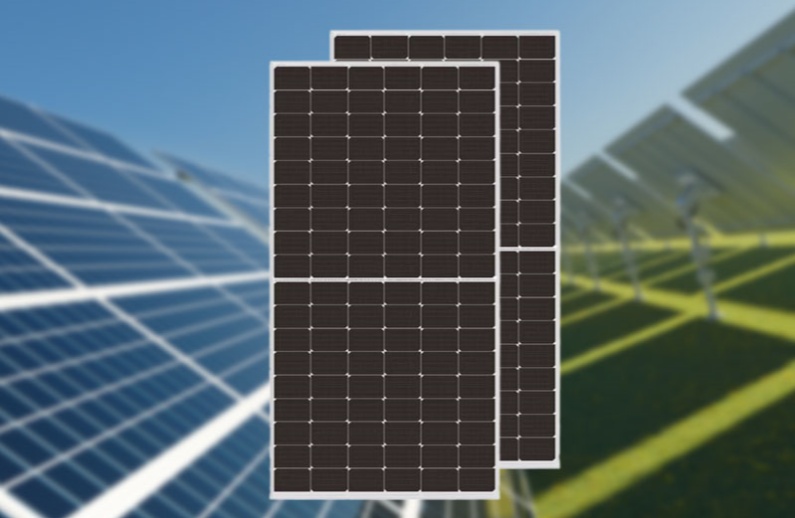
Gli impianti industriali consumano grandi quantità di elettricità, spesso operando ininterrottamente e in condizioni gravose. Con l'aumento dei costi energetici e l'urgenza di raggiungere obiettivi di sostenibilità sempre più stringenti, l'energia solare è diventata un investimento strategico piuttosto che un'opzione supplementare. Tuttavia, la scelta dei pannelli solari per uso industriale va ben oltre la semplice selezione del modello con la potenza più elevata sulla carta. Stabilità delle prestazioni, produzione a lungo termine, adattabilità ambientale e costo totale di proprietà giocano tutti un ruolo decisivo.Per comprendere quali pannelli solari siano più adatti alle applicazioni industriali, è necessario esaminare attentamente le moderne tecnologie dei pannelli e le loro prestazioni in ambienti operativi reali. Quali caratteristiche rendono un pannello solare adatto alle applicazioni industriali?Gli impianti solari industriali sono progettati per essere scalabili e duraturi. A differenza degli impianti residenziali, devono garantire una produzione prevedibile per decenni, riducendo al minimo le interruzioni per manutenzione. L'elevata efficienza è importante, ma la costanza nel tempo è altrettanto fondamentale. I pannelli con tassi di degrado inferiori, migliori prestazioni termiche e una solida struttura meccanica offrono in genere prestazioni migliori in ambito industriale.Un altro aspetto fondamentale da considerare è il contesto di installazione. Fabbriche sui tetti, magazzini e impianti a terra presentano tutti sfide diverse legate all'ombreggiamento, all'accumulo di calore e al carico strutturale. La scelta della tecnologia modulare più adatta garantisce che il sistema funzioni come previsto in presenza di tali vincoli.Molti acquirenti industriali iniziano esaminando le più recenti tecnologie di moduli solari di livello commerciale disponibili sul mercato, come quelle presenti nei moderni pannello solare soluzioni progettate specificamente per l'implementazione su scala industriale e di pubblica utilità. Perché l'efficienza e la resa energetica contano più della potenza nominaleSebbene la potenza nominale sia spesso il primo parametro che gli acquirenti notano, è la resa energetica nel tempo a determinare in definitiva il valore di un progetto. I pannelli con maggiore efficienza generano più elettricità per metro quadrato, risultando ideali per i tetti industriali dove lo spazio è limitato. Tuttavia, l'efficienza da sola non basta a fornire un quadro completo.Gli ambienti industriali sono spesso soggetti a temperature di esercizio elevate. I pannelli con coefficienti termici inadeguati possono perdere una parte significativa della loro produzione durante le ore di punta, proprio quando la domanda di energia è massima. Le tecnologie che mantengono prestazioni stabili ad alte temperature offrono un vantaggio tangibile in termini di produzione energetica annua. Tecnologia bifacciale di tipo N nei progetti solari industrialiLa tecnologia delle celle di tipo N ha riscosso un grande successo nei progetti solari industriali e su larga scala grazie alle sue proprietà elettriche avanzate. Queste celle presentano in genere livelli di impurità inferiori e una ridotta degradazione indotta dalla luce, contribuendo a mantenere la produzione di energia per periodi di funzionamento prolungati.Se abbinati a design bifacciali, i vantaggi in termini di prestazioni aumentano ulteriormente. Un modulo bifacciale è in grado di catturare la luce sia dalla superficie anteriore che da quella posteriore, convertendo la luce solare riflessa e diffusa in energia aggiuntiva. In ambienti industriali con materiali di copertura riflettenti, superfici in cemento o un'altezza da terra ottimizzata, questa generazione aggiuntiva può migliorare significativamente la resa del sistema.Un'elevata potenza Pannello solare bifacciale di tipo N La potenza nominale di 580 W dimostra come questa tecnologia venga applicata in installazioni commerciali su larga scala, offrendo un equilibrio tra efficienza, durata e un guadagno posteriore migliorato in ambienti idonei. Pannelli solari di tipo P e il loro ruolo nell'impiego industrialeNonostante i rapidi progressi della tecnologia di tipo N, i pannelli solari di tipo P rimangono una soluzione pratica e ampiamente adottata per uso industriale. La loro lunga storia produttiva ha portato a processi di produzione consolidati, catene di approvvigionamento stabili e prezzi competitivi, fattori di grande importanza nei grandi progetti di approvvigionamento.I moderni moduli di tipo P spesso incorporano miglioramenti quali strati di passivazione più efficaci e strutture cellulari ottimizzate, riducendo il divario prestazionale con le tecnologie più recenti. Per gli acquirenti industriali che privilegiano costi prevedibili e affidabilità comprovata, i moduli di tipo P continuano a soddisfare efficacemente i requisiti operativi.Un ben progettato Pannello solare di tipo P L'utilizzo di un'architettura a semicella illustra come la tecnologia tradizionale si sia evoluta per soddisfare le moderne esigenze energetiche industriali senza sacrificare l'efficienza dei costi. Come i pannelli solari tagliati a metà migliorano l'affidabilità dei sistemi industrialiLa tecnologia a celle divise a metà risolve diverse problematiche comuni negli impianti solari industriali. Dividendo ciascuna cella solare in due sezioni più piccole, si riduce la resistenza elettrica, migliorando l'efficienza complessiva. Questa soluzione aumenta anche la tolleranza all'ombreggiamento parziale, frequente sui tetti industriali a causa di prese d'aria, attrezzature o strutture adiacenti.I moduli tagliati a metà distribuiscono il carico elettrico in modo più uniforme, riducendo l'accumulo di calore e migliorando la stabilità a lungo termine. Ciò contribuisce a una maggiore durata e aiuta a mantenere prestazioni costanti nel corso degli anni di funzionamento. Per gli impianti industriali che operano 24 ore su 24, la riduzione dello stress termico contribuisce direttamente all'affidabilità.Un'elevata capacità pannello solare tagliato a metà Questa configurazione combina questo vantaggio strutturale con una robusta potenza in uscita, rendendola una valida candidata per fabbriche e grandi impianti commerciali alla ricerca di prestazioni affidabili a lungo termine. Tassi di degrado e impatto finanziario a lungo termineIl degrado dei pannelli solari è una realtà inevitabile, ma la sua velocità varia significativamente a seconda della tecnologia e della qualità di produzione. Anche piccole differenze nel degrado annuale possono portare a differenze sostanziali nella produzione totale di energia nell'arco di 25 o 30 anni.I progetti industriali traggono vantaggio da moduli con un degrado inferiore nel primo anno e prestazioni stabili a lungo termine. I pannelli di tipo N generalmente mostrano un degrado inferiore rispetto ai design convenzionali di tipo P, sebbene i progressi nella produzione di pannelli di tipo P abbiano migliorato i risultati negli ultimi anni.Dal punto di vista finanziario, un minore degrado migliora il costo livellato dell'elettricità e riduce il periodo di ammortamento effettivo. Per le industrie ad alta intensità energetica, ciò si traduce direttamente in risparmi operativi e in una migliore redditività del progetto. Resistenza meccanica e adattabilità ambientaleGli impianti solari industriali sono spesso esposti a condizioni ambientali più severe rispetto a quelli residenziali. Il carico del vento, la pressione della neve, l'accumulo di polvere e l'esposizione a sostanze chimiche influiscono sulla durata dei moduli. I pannelli progettati con telai rinforzati, materiali di incapsulamento di alta qualità e rigorosi standard di collaudo offrono prestazioni più affidabili in questi ambienti.I moduli a mezzo taglio e bifacciali presentano spesso caratteristiche meccaniche migliorate grazie alla loro struttura interna e alla selezione dei materiali. Se abbinati a sistemi di montaggio adeguati, possono resistere a condizioni industriali gravose con una perdita minima di prestazioni. Allineare la scelta dei pannelli agli obiettivi del progetto industriale.Non esiste una singola tecnologia di pannelli solari universalmente "migliore" per tutte le applicazioni industriali. La scelta ottimale dipende dalle priorità specifiche del progetto, come lo spazio disponibile, i vincoli di budget, le condizioni climatiche e la durata prevista del sistema.Gli impianti con una superficie di copertura limitata potrebbero privilegiare i pannelli bifacciali di tipo N ad alta efficienza per massimizzare la produzione. I progetti con vincoli di budget stringenti potrebbero invece preferire i moduli a mezzo taglio di tipo P, più avanzati, che offrono prestazioni affidabili a un costo iniziale inferiore. In molti casi, uno studio di fattibilità dettagliato aiuta a determinare quale combinazione di tecnologia e progettazione del sistema offra il miglior ritorno sull'investimento complessivo. Effettuare un investimento consapevole nel solare industrialeLa scelta dei pannelli solari per uso industriale è una decisione strategica che incide sui costi energetici per decenni. Oltre alle specifiche tecniche, gli acquirenti dovrebbero valutare l'affidabilità del fornitore, i processi di controllo qualità e l'assistenza in garanzia. Le partnership a lungo termine con produttori esperti riducono il rischio del progetto e garantiscono prestazioni costanti per tutta la durata operativa dell'impianto. Con l'evoluzione delle strategie energetiche industriali, la scelta di tecnologie solari adeguate consente agli impianti di raggiungere simultaneamente obiettivi di produzione stabile, controllo dei costi e sostenibilità. Con l'approccio corretto, l'energia solare diventa non solo un'opzione rinnovabile, ma una componente fondamentale dell'infrastruttura energetica industriale.





 RETE SUPPORTATA
 Lingua


