Soluzioni ibride di inverter solari per fabbriche, magazzini e uffici.
Dec 31, 2025
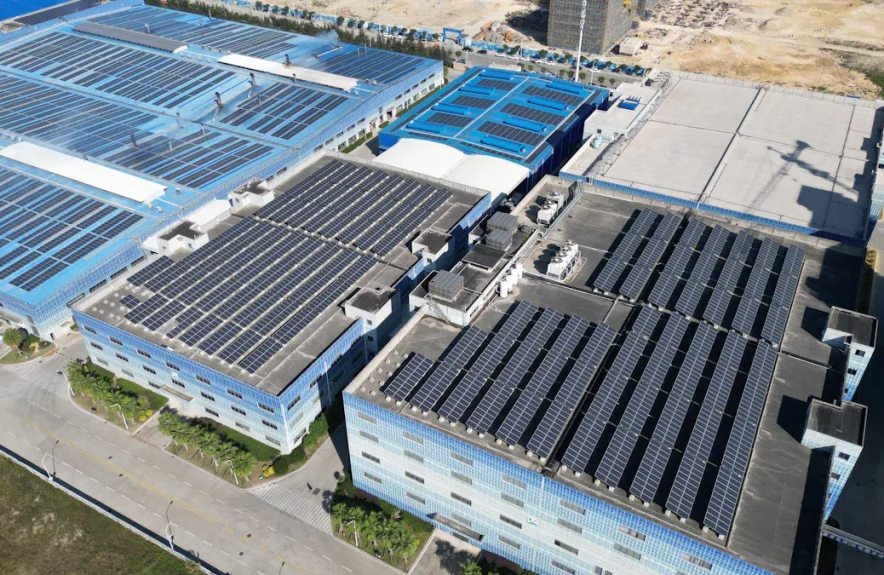
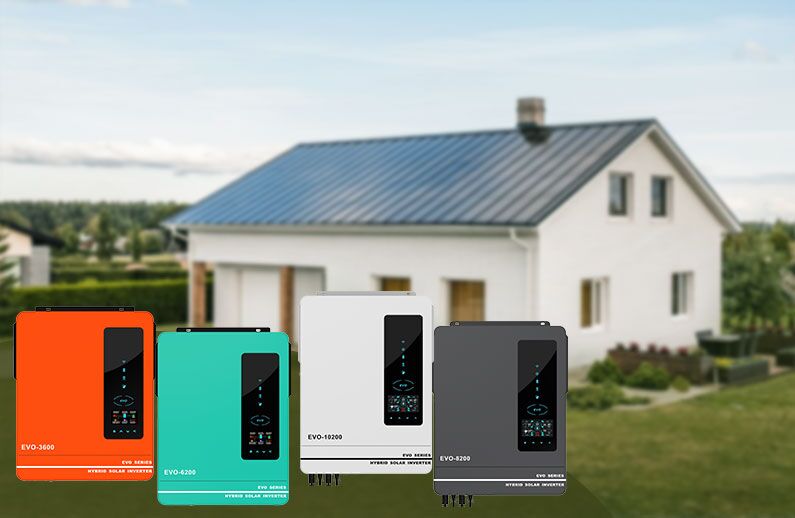
Fabbriche, magazzini e uffici desiderano risparmiare sui costi energetici. Vogliono inoltre che il loro lavoro si svolga senza intoppi ogni giorno. Sistemi ibridi di inverter solare Contribuiscono a fornire energia stabile per le operazioni quotidiane, riducendo al contempo il consumo energetico complessivo. Molte aziende scelgono questi sistemi per la loro energia pulita e per la loro disponibilità continua di elettricità. Il mercato commerciale è in rapida crescita e potrebbe aumentare dell'8,1% entro il 2025. Il governo offre crediti d'imposta e sovvenzioni, facilitando l'adozione di questi sistemi. I prezzi elevati e la complessità tecnologica potrebbero rallentare la diffusione, ma sempre più persone desiderano contribuire alla salvaguardia del pianeta.Vantaggi degli inverter solari ibridi per le aziendeEfficienza energetica e riduzione dei costiLe aziende vogliono utilizzare meno energia e ridurre i costi operativi. Come soluzione di inverter solare commercialeI sistemi ibridi aiutano le aziende a controllare meglio come l'elettricità viene generata, immagazzinata e consumata. Questi sistemi scelgono immediatamente se utilizzare l'energia solare, immagazzinarla o prelevarla dalla rete. Questo sistema intelligente contribuisce a ridurre le bollette e a evitare sprechi di energia.Suggerimento: le aziende possono risparmiare molto con i sistemi solari con accumulo. Possono pagare meno per i costi legati alla potenza di picco, che possono arrivare a dimezzare le loro spese per l'elettricità. Possono anche ridurre i costi energetici di picco di quasi il 30%.Ecco una tabella che mostra quanto denaro possono risparmiare le aziende: Tipo di provaDescrizionePercentuale di risparmioRiduzione del costo della domandaI costi legati alla potenza di picco possono arrivare fino al 50% del costo totale dell'elettricità.Fino al 50%Costo di picco dell'energiaLe aziende possono ridurre i costi energetici di picco di quasi il 30% grazie ai sistemi solari con accumulo.Quasi il 30% I sistemi ibridi di inverter solare aiutano le aziende a recuperare più velocemente il loro investimento. La maggior parte degli edifici di grandi dimensioni vede un ritorno sull'investimento in tre-sei anni. Il tasso di rendimento si aggira solitamente tra il 10% e il 20%.Alimentazione affidabile e resilienzaFabbriche, magazzini e uffici hanno bisogno di energia elettrica in continuazione. I sistemi ibridi con inverter solare mantengono le luci accese, anche in caso di interruzione della rete elettrica. Inverter solare con doppia uscita intelligenteConsente al sistema di passare dalla modalità connessa alla rete a quella autonoma, garantendo che i carichi critici rimangano alimentati durante le interruzioni di corrente.Nota: gli inverter ibridi mantengono l'alimentazione elettrica essenziale durante le interruzioni. Aiutano le aziende a continuare a lavorare senza interruzioni.La tabella seguente mostra come funzionano i diversi sistemi in caso di interruzione di corrente: Tipo di sistemaInterruzione di corrente?Collegamento alla reteComponenti chiaveBeneficio principaleCollegamento standard alla reteNoSÌInverter connesso alla reteCosti iniziali inferiori, risparmio sulle bolletteCollegamento alla rete con accumuloSì (per alcuni carichi)SÌInverter ibrido, interruttore di trasferimentoRisparmio energetico e riduzione delle bollette.Fuori reteSì (a piena potenza)NoInverter off-gridPiena indipendenza energetica I sistemi ibridi con inverter solare contribuiscono anche a mantenere stabile la rete elettrica. Prevengono picchi e cali di tensione, proteggendo così le apparecchiature. Questi sistemi sono utili per i programmi di gestione della domanda. Nei periodi di maggiore consumo, le aziende possono utilizzare l'energia accumulata anziché prelevarla dalla rete. Ciò contribuisce a mantenere stabile la rete e a risparmiare denaro.Sostenibilità e obiettivi verdiMolte aziende desiderano contribuire alla salvaguardia del pianeta e raggiungere obiettivi ecologici. Le soluzioni con inverter solari ibridi semplificano questo processo. Utilizzano energia pulita e riducono il consumo di combustibili fossili. L'energia solare non produce emissioni dirette, contribuendo così a diminuire l'impronta di carbonio di un edificio.I sistemi solari ibridi contribuiscono a ridurre l'impronta di carbonio di un edificio, grazie al minore utilizzo di combustibili fossili.Contribuiscono a rendere l'aria più pulita e a ridurre i gas serra.L'utilizzo di energie rinnovabili aiuta le aziende a raggiungere i propri obiettivi ecologici.L'energia solare non produce emissioni dirette, quindi è una scelta pulita.Il passaggio all'energia solare è un modo rapido per le aziende di ridurre la propria impronta di carbonio.I sistemi ibridi di inverter solare aiutano inoltre le aziende a ottenere certificazioni ecologiche. Questi sistemi producono elettricità pulita e riducono le emissioni di Scope 2, un aspetto importante per i report sul clima. Il monitoraggio avanzato consente alle aziende di tracciare la produzione di energia solare e di rendicontare la riduzione delle emissioni.Gli inverter solari ibridi producono elettricità pulita, riducendo l'impronta di carbonio e aiutando le aziende a diminuire le emissioni di Scope 2, un aspetto importante per i report sul clima.Il monitoraggio avanzato consente alle aziende di tracciare l'energia solare in tempo reale, in modo da poter misurare e rendicontare la riduzione delle emissioni.La norma IEC 62109 garantisce che l'inverter sia costruito in modo sicuro.Lo standard IEEE 1547 definisce le regole per il funzionamento degli inverter con la rete elettrica.La norma UL 1741 SB testa e certifica che l'inverter funziona in modo sicuro ed efficiente.Le soluzioni ibride con inverter solare aiutano inoltre le aziende a dare una buona immagine di sé per il loro impegno a favore del pianeta. Contribuiscono a creare fiducia nei clienti attenti alle scelte ecocompatibili e aiutano le aziende a distinguersi dalla concorrenza.Come funzionano i sistemi ibridi di inverter solare Panoramica del sistema e caratteristiche principaliI sistemi ibridi con inverter solare aiutano gli edifici a utilizzare l'energia solare in modo intelligente. Utilizzano pannelli solari e batterie per immagazzinare l'energia in eccesso e utilizzarla in un secondo momento. Il sistema seleziona la fonte di energia più adatta all'edificio, utilizzando a seconda delle necessità l'energia solare, quella delle batterie o quella della rete elettrica. Questo garantisce l'illuminazione anche in caso di interruzione di corrente. Molti sistemi utilizzano l'energia accumulata quando l'elettricità è più economica, consentendo alle aziende di risparmiare. Gli utenti possono monitorare i propri consumi energetici da qualsiasi luogo. Questi sistemi possono essere ampliati in base alle esigenze di potenza dell'azienda, risultando quindi una soluzione ideale per fabbriche, magazzini e uffici. I sistemi ibridi con inverter solare rispettano inoltre le normative di rete per garantire la sicurezza dell'alimentazione elettrica.Suggerimento: un uso intelligente dell'energia aiuta le aziende a risparmiare denaro e a lavorare meglio.CaratteristicaInverter solari ibridiInverter tradizionaliIndipendenza energeticaConsente l'indipendenza energetica grazie all'accumulo di energia tramite batterie.Dipende esclusivamente dall'energia elettrica della reteRisparmi sui costiRiduce le bollette energetiche grazie all'utilizzo dell'energia solare e ai sistemi di accumulo.Risparmi limitati, principalmente dipendenti dalla rete elettrica.Maggiore efficienzaRaggiunge livelli di efficienza fino al 97%Generalmente, valori di efficienza inferioriFlessibilitàCompatibile con diversi pannelli solari e sistemi di batterie.Limitato a specifiche tipologie di pannelliAlimentazione di emergenza durante le interruzioni di correnteFornisce un'alimentazione di riserva affidabile durante le interruzioni di corrente.Nessuna funzionalità di backupControllo intelligente dell'energiaUtilizza programmi intelligenti per la gestione del caricoManca di funzionalità avanzate di gestione energetica.Integrazione con sistemi di accumulo a batteria e rete elettricaI sistemi ibridi con inverter solare funzionano in combinazione con batterie e rete elettrica per garantire un'alimentazione stabile. Immagazzinano l'energia solare in eccesso nelle batterie per un utilizzo successivo, risultando utili durante i blackout o quando il costo dell'energia aumenta. Questi sistemi sono in grado di gestire grandi quantità di energia provenienti da pannelli solari di grandi dimensioni e batterie, aspetto fondamentale per gli edifici di grandi dimensioni. Contribuiscono a stabilizzare la tensione e a mantenere un'elevata qualità dell'energia nella rete elettrica. I sistemi ibridi con inverter solare trasferiscono energia tra pannelli solari, batterie e rete, consentendo agli edifici di utilizzare energia pulita e di garantire un funzionamento efficiente.Nelle fabbriche, questi sistemi utilizzano energia solare e batterie per ridurre i costi e il consumo di energia dalla rete elettrica.Forniscono alimentazione di emergenza in caso di interruzione di corrente, in modo che il lavoro non si fermi.I sistemi ibridi di inverter solare aiutano la rete elettrica mantenendo stabile la tensione.Ottimizzazione del riscaldamento, della ventilazione e del condizionamento dell'aria (HVAC) e della ricarica dei veicoli elettrici.I sistemi ibridi con inverter solare contribuiscono a ottimizzare il funzionamento degli impianti di climatizzazione e delle stazioni di ricarica per veicoli elettrici. Sfruttano l'energia solare per alimentare questi sistemi, riducendo l'inquinamento e consentendo un risparmio economico. Le aziende possono aggiungere ulteriori pannelli solari e batterie in base alle proprie esigenze energetiche, semplificando l'installazione di nuove colonnine di ricarica. Il costo di installazione dell'impianto solare viene ammortizzato nel tempo. L'energia in eccesso può essere immagazzinata o immessa nella rete elettrica. Un maggiore utilizzo dell'energia solare si traduce in minori emissioni di carbonio e in un maggiore rispetto per il pianeta. I sistemi ibridi con inverter solare garantiscono inoltre una fornitura di energia stabile, proteggendo gli impianti di climatizzazione e le stazioni di ricarica per veicoli elettrici.L'energia solare rende la ricarica dei veicoli elettrici più pulita e contribuisce alla salvaguardia dell'ambiente.I sistemi ibridi con inverter solare semplificano l'aggiunta di ulteriori colonnine di ricarica per veicoli elettrici.Risparmiare o vendere l'energia in eccesso comporta risparmi a lungo termine.L'utilizzo dell'energia solare riduce le emissioni di carbonio e l'inquinamento atmosferico.Questi sistemi mantengono stabili la tensione e la frequenza per proteggere le apparecchiature.Componenti principali delle soluzioni ibride con inverter solarepannelli solariI pannelli solari catturano la luce del sole e la trasformano in elettricità. La maggior parte delle aziende utilizza pannelli solari monocristallini. Questi pannelli sono molto diffusi perché funzionano in modo eccellente. Si possono utilizzare anche pannelli bifacciali, ma costano di più e sono meno comuni. Esistono anche pannelli policristallini e a film sottile, ma non sono altrettanto adatti ai sistemi ibridi con inverter solare. Le aziende scelgono i pannelli monocristallini per massimizzare l'energia prodotta dai tetti delle proprie abitazioni.Tipi di inverter ibridi (di stringa, centralizzati)Gli inverter ibridi collegano pannelli solari, batterie e rete elettrica. Ne esistono due tipi principali: inverter di stringa e inverter centralizzati. Gli inverter di stringa sono adatti per edifici che desiderano integrare gradualmente la propria energia solare. In realtà, producono più energia perché solo pochi pannelli perdono potenza se altri vengono ombreggiati o non sono perfettamente bilanciati. Gli inverter centralizzati sono più indicati per grandi strutture come fabbriche o magazzini. Gestiscono grandi quantità di energia provenienti da molti pannelli solari contemporaneamente, a volte anche megawatt. La tabella seguente mostra le differenze tra inverter di stringa e inverter centralizzati: Tipo InverterCaratteristiche di efficienzaCaratteristiche di scalabilitàInverter di stringaMaggiore rendimento energetico reale; perdite limitate a piccole aree dovute a ombreggiamenti/pannelli non corrispondenti.Altamente scalabile per una crescita incrementale.Inverter centralizzatiMaggiore efficienza nominale (fino al 99%); maggiori perdite dovute a disallineamento in condizioni non ideali.Scalabile solo con incrementi di capacità considerevoli. Suggerimento: gli inverter di stringa consentono alle aziende di incrementare gradualmente la produzione di energia solare. Gli inverter centralizzati sono più adatti a progetti di grandi dimensioni che richiedono molta energia contemporaneamente.Conservazione della batteriaL'accumulo di energia tramite batterie consente agli edifici di immagazzinare l'energia solare in eccesso per un utilizzo successivo. I sistemi ibridi con inverter solare caricano le batterie quando c'è il sole. Di notte o in caso di interruzione di corrente, le batterie forniscono energia di riserva. Ciò significa che gli edifici hanno meno bisogno di elettricità dalla rete e possono risparmiare denaro. L'accumulo di energia tramite batterie aiuta inoltre le aziende a gestire meglio il proprio consumo energetico. La tabella seguente spiega le funzioni delle batterie: FunzionalitàDescrizioneStoccaggio di energiaGli inverter ibridi immagazzinano l'energia solare in eccesso nelle batterie per un utilizzo successivo.Efficienza dei costiGarantisce la disponibilità di energia solare a basso costo quando l'energia elettrica proveniente dalla rete costa di più.Alimentazione di riservaFornisce energia durante i blackout, soprattutto di notte. I sistemi ibridi utilizzano sia l'energia solare che quella proveniente dalla rete elettrica.Mantengono l'alimentazione elettrica attiva tutto il giorno.Immagazzinano l'energia in eccesso e aiutano le aziende a utilizzare meno energia dalla rete.Sistemi di gestione energeticaI sistemi di gestione energetica aiutano gli edifici a utilizzare l'energia in modo intelligente. Questi sistemi monitorano la quantità di energia proveniente da pannelli solari, batterie e rete elettrica, selezionando la fonte più adatta in base alle esigenze del momento. Le aziende possono così ridurre i costi energetici e, talvolta, ottenere crediti vendendo l'energia in eccesso. I sistemi di gestione energetica mantengono stabili tensione e frequenza per proteggere le apparecchiature e contribuiscono a ridurre la dipendenza dalla rete elettrica.Gli inverter solari ibridi migliorano il flusso di energia.Le aziende utilizzano meno energia dalla rete e risparmiano denaro.L'accumulo a batteria fornisce energia di riserva in caso di interruzione della rete elettrica.Gli inverter di rete mantengono costanti tensione e frequenza.Le aziende ottengono maggiore indipendenza energetica e riducono i costi.Applicazioni in fabbriche, magazzini e uffici Fabbriche: Gestione dei carichi elevati e dei picchi di domandaLe fabbriche consumano molta elettricità per alimentare i macchinari. I sistemi ibridi con inverter solare aiutano le fabbriche a gestire l'elevato fabbisogno energetico. Utilizzano l'energia solare durante il giorno e, negli altri momenti, passano all'alimentazione a batteria. Le fabbriche possono scegliere modelli da 30 kW o 60 kW in base alle proprie esigenze. L'uscita trifase consente di alimentare macchinari pesanti e di mantenere la produzione senza interruzioni. Questi sistemi si collegano all'impianto elettrico dell'edificio, semplificando gli aggiornamenti. Controllare e pulire regolarmente il sistema ne garantisce il corretto funzionamento. Una manutenzione tempestiva evita costose riparazioni e perdite di tempo. Gli inverter potrebbero dover essere sostituiti ogni 10-15 anni. Le batterie, inoltre, tendono a indebolirsi con il tempo.Magazzini: pannelli solari sui tetti e bassa manutenzioneI magazzini hanno ampi tetti ideali per l'installazione di pannelli solari. I sistemi ibridi con inverter solare consentono ai magazzini di sfruttare l'energia solare prodotta dai tetti e di risparmiare energia. Questi sistemi non richiedono molta manutenzione e contribuiscono al risparmio economico. La tabella seguente mostra un confronto tra le diverse opzioni di alimentazione per i magazzini: Opzione di alimentazioneCosto di installazioneCosto operativoManutenzioneIndipendenza energeticaElettricità fornita esclusivamente dalla reteBassoTariffe elevate (mensili)ModerareNessunoGeneratori di emergenza dieselMezzoMolto elevato (consumo di carburante + rumore)FrequenteParzialeSistema solare + inverterMezzoMolto bassoMinimoAltoSistema ibrido solare + accumuloPiù altoMolto basso (autoconsumo ottimizzato)BassoCompletare I grandi impianti solari per magazzini con inverter ibridi possono ridurre le bollette energetiche fino al 45%. Inoltre, diminuiscono le emissioni di CO₂ di oltre 70 tonnellate all'anno per ogni edificio. Componenti importanti come i pannelli solari e i supporti necessitano di controlli periodici per prevenire danni. Una manutenzione tempestiva dell'impianto consente di risparmiare denaro e di mantenerlo efficiente nel tempo.Uffici: efficienza e comfort sul posto di lavoroGli uffici beneficiano di un migliore utilizzo dell'energia e di un maggiore comfort grazie ai sistemi ibridi di inverter solare. Questi sistemi forniscono energia pulita per illuminazione, computer e climatizzazione. Dopo l'installazione di pannelli solari e il conseguente risparmio energetico, gli uffici hanno consumato il 65% in meno di energia. I sistemi fotovoltaici possono fornire il 20% dell'energia necessaria, con un risparmio totale dell'85%. Il consumo medio di energia elettrica in ufficio è sceso da 10,2 kW a 3,6 kW dopo gli interventi di ammodernamento. Alcuni pannelli producono sia elettricità che calore. Ad esempio, l'installazione di moduli fotovoltaici su tetto e pareti ha ridotto il consumo di energia elettrica e termica. L'energia solare ha fornito il 98,4% del raffreddamento e il 51,6% dell'elettricità. Gli uffici possono ampliare i propri sistemi, se necessario, e integrarli con quelli già esistenti.Scegliere la soluzione di inverter solare ibrido più adatta alle proprie esigenzeValutazione delle dimensioni e delle esigenze della strutturaOgni edificio consuma una quantità di energia diversa. I responsabili della gestione degli immobili devono valutare le dimensioni dell'edificio e il suo consumo energetico giornaliero. Anche il tipo di apparecchiature presenti all'interno è importante: un piccolo ufficio non necessita della stessa quantità di energia di una grande fabbrica. La tabella seguente mostra le dimensioni degli impianti solari e delle batterie più adatte a diversi tipi di edifici: Tipo di strutturaDimensioni solariDimensioni della batteriaCarico di piccoMiglior dimensione dell'inverterAppartamento piccolo3 kW5 kWh2,5 kW3–4kWCasa media6 kW10 kWh5 kW5–6kWCasa grande con veicolo elettrico10 kW20 kWh9 kW8–10kW Le fabbriche e i magazzini necessitano di impianti più grandi rispetto alle abitazioni. I responsabili dovrebbero verificare i picchi di consumo energetico e valutare le esigenze future. Scegliere la giusta dimensione consente di risparmiare denaro e garantisce un'alimentazione elettrica stabile.Confronto tra sistemi ibridi e tradizionaliI manager devono prendere in considerazione sia i sistemi ibridi che quelli tradizionali. Dovrebbero riflettere su:Quanto costerà il sistema?Quali obiettivi energetici ha l'aziendaSe è necessario l'accumulo di energia tramite batteriaQuanta indipendenza energetica si desidera?Se l'alimentazione di riserva è importanteQuanto è difficile usare il sistemaI manager dovrebbero inoltre:Verifica quanta energia consuma l'edificioConsidera l'elevato costo inizialeConfronta i costi di installazione e manutenzione con i risparmi che otterrai in seguito.I sistemi ibridi con inverter solare sono spesso più flessibili e offrono una maggiore potenza di riserva rispetto ai sistemi tradizionali. Questi sistemi aiutano le aziende a raggiungere i propri obiettivi energetici e a risparmiare denaro nel tempo.Collaborazione con fornitori qualificatiPer garantire sicurezza e buoni risultati, è fondamentale scegliere un fornitore affidabile. I fornitori devono rispettare norme rigorose e possedere le certificazioni necessarie. La tabella seguente elenca alcuni standard chiave: StandardScopoUL 1741 SBVerifica che l'inverter sia sicuro e che sia stato testato a fondo.IEEE 1547Definisce le regole per la connessione degli impianti solari e dei sistemi di accumulo alla rete elettrica.IEC 62109Fornisce norme di sicurezza per proteggere le persone dai pericoli elettrici. Un buon fornitore sa come gestire progetti di grandi dimensioni. Conosce anche le leggi locali. Dovrebbe offrire assistenza per l'installazione e la manutenzione. Questo garantisce la sicurezza e la durata del sistema. Le soluzioni ibride con inverter solare sono molto utili per i grandi edifici. Forniscono energia pulita e stabile, riducendo le bollette. Questi sistemi aiutano gli edifici a utilizzare l'energia in modo più efficiente, immagazzinando l'energia in eccesso per un utilizzo successivo. Ciò significa che le aziende consumano meno combustibili fossili. I gestori degli impianti possono ampliare la potenza del sistema in base alle proprie esigenze. La tabella seguente mostra come gli inverter solari ibridi contribuiscono alla crescita e alle nuove tecnologie. BeneficioDescrizioneScalabilitàIl design modulare semplifica l'aggiunta di ulteriori unità man mano che il fabbisogno energetico aumenta.Efficienza dei costiSi risparmia denaro evitando di acquistare troppe attrezzature all'inizio.Flessibilità per la crescitaConsente alle aziende di aumentare gradualmente la potenza man mano che crescono. I responsabili della gestione degli immobili dovrebbero valutare le esigenze del proprio edificio. Dovrebbero prendere in considerazione gli inverter solari ibridi per risparmiare denaro e contribuire alla salvaguardia del pianeta in futuro.




 RETE SUPPORTATA
 Lingua


